
Hezbollah prioritizes battlefield over diplomacy, impacting US-Iran talks
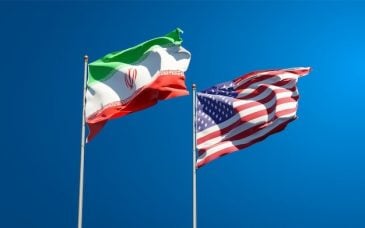
Hezbollah's strategic shift toward military engagement over diplomatic channels reduces the likelihood of US-Iran negotiations, escalating regional instability. This geopolitical tension typically constrains risk assets and creates headwinds for cryptocurrency markets dependent on global macroeconomic stability.
Hezbollah's prioritization of battlefield operations signals a hardening of regional conflict dynamics that undermines diplomatic pathways between Washington and Tehran. This development reflects broader Middle Eastern tensions where non-state actors increasingly dictate the pace of conflict escalation, complicating traditional state-to-state negotiations. The organization's military focus suggests reduced confidence in negotiated settlements and increased commitment to asymmetric warfare strategies.
Historically, Middle Eastern geopolitical crises have triggered flight-to-safety dynamics in financial markets. When regional tensions escalate without diplomatic off-ramps, investors typically shift capital toward traditional safe havens—US Treasury bonds, gold, and established currencies—while reducing exposure to riskier assets including cryptocurrencies. The absence of meaningful US-Iran dialogue removes potential positive catalysts for risk-on sentiment and suggests a prolonged period of uncertainty.
Crypto markets remain sensitive to geopolitical risk premiums, particularly when conflicts threaten global energy infrastructure or trigger broader sanctions regimes. Elevated tensions can increase volatility and suppress speculative inflows into digital assets. Additionally, if escalation prompts new international sanctions, blockchain-based sanctions evasion mechanisms may face regulatory scrutiny, creating compliance headwinds.
Investors should monitor whether this military positioning leads to direct confrontation or eventual negotiation breakthroughs. Key indicators include oil price movements, US policy responses, and statements from Iranian leadership regarding diplomatic willingness. The trajectory of regional conflict directly influences macro conditions affecting cryptocurrency valuations.
- →Hezbollah's military focus reduces near-term prospects for US-Iran diplomatic engagement
- →Escalating Middle East tensions typically trigger flight-to-safety responses that pressure risk assets including crypto
- →Prolonged geopolitical uncertainty may sustain elevated market volatility across digital asset classes
- →Potential new sanctions regimes could increase regulatory scrutiny of blockchain-based financial channels
- →Oil price stability and US policy responses are critical factors to monitor for market implications