
Hezbollah targets IDF commanders in night operations amid ceasefire strain
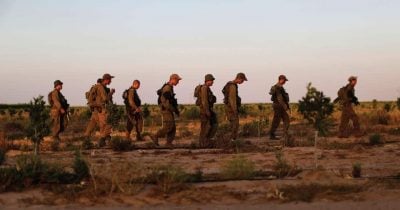
Hezbollah conducted night operations targeting IDF commanders, escalating tensions amid fragile ceasefire negotiations. The militant group's actions threaten to derail ceasefire extensions and reduce prospects for regional stability and peace.
Hezbollah's targeted operations against Israeli Defense Force commanders represent a significant escalation that undermines diplomatic efforts to establish a lasting ceasefire in the region. These night operations signal the organization's willingness to maintain offensive capabilities despite ongoing negotiations, suggesting fundamental disagreements persist over ceasefire terms and conditions. The timing of such operations during ceasefire discussions indicates tactical pressure to influence negotiations or demonstrate resolve to domestic constituencies.
This conflict has evolved from isolated skirmishes into a sustained military engagement with periodic diplomatic pauses. Regional tensions have fluctuated based on ceasefire agreement implementations, with both parties repeatedly testing agreement boundaries. Hezbollah's actions follow a pattern of using military demonstrations to strengthen negotiating positions while maintaining operational capacity.
Geopolitical instability of this magnitude creates ripple effects across global markets, particularly impacting energy prices, risk sentiment, and capital allocation toward safe-haven assets. Cryptocurrency markets respond to macroeconomic uncertainty and geopolitical risk, with investors typically rotating toward defensive positions during escalating military tensions. Oil price volatility directly influences inflation expectations and central bank policy, subsequently affecting digital asset valuations and trading volumes.
Monitoring ceasefire agreement language and enforcement mechanisms becomes critical for assessing conflict trajectory. Future escalations could trigger broader regional involvement, affecting global energy markets and investor confidence. The sustainability of any ceasefire depends on both parties' commitment to de-escalation and third-party guarantees of implementation compliance.
- →Hezbollah's night operations targeting IDF commanders directly challenge ceasefire sustainability and diplomatic progress
- →Escalating regional military tensions typically drive investors toward risk-off positioning and safe-haven asset accumulation
- →Ceasefire strain increases volatility in energy markets, which inversely correlates with risk appetite in cryptocurrency trading
- →The conflict's trajectory depends on whether diplomatic channels can constrain military operations or whether escalation continues
- →Prolonged geopolitical uncertainty historically creates trading opportunities but also increases portfolio drawdown risks