
Hezbollah targets Israeli army site in Adaisa with rocket barrage
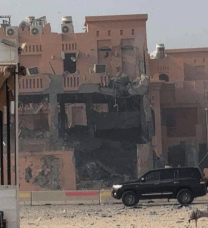
Hezbollah conducted a rocket attack on an Israeli army site in Adaisa, marking a tactical escalation that undermines ongoing ceasefire negotiations. The incident signals deteriorating diplomatic efforts and reduces prospects for a permanent peace settlement in the region.
The rocket barrage targeting the Israeli military installation in Adaisa represents a significant shift in operational intensity within an already volatile geopolitical landscape. This tactical escalation suggests that armed groups are prioritizing military objectives over diplomatic channels, directly contradicting ceasefire frameworks that have been under negotiation. The timing and scale of the attack indicate either a breakdown in communication between parties or a deliberate strategy to test Israeli military response capabilities.
The broader context reveals a pattern of cyclical tensions in the region that have persisted despite international mediation efforts. Previous ceasefire agreements have repeatedly collapsed when either party perceives military advantage or responds to perceived provocations. This latest incident follows that established pattern, suggesting that underlying grievances and strategic calculations remain unresolved despite diplomatic initiatives.
For cryptocurrency and digital asset markets, geopolitical escalations create macroeconomic uncertainty that typically drives investors toward safe-haven assets. While this specific conflict may not directly impact crypto infrastructure, the broader instability influences risk sentiment and capital allocation decisions. Investors often shift portfolios during periods of regional conflict, with some rotating into Bitcoin and stablecoins as perceived hedges against currency depreciation in affected economies.
Looking forward, market participants should monitor ceasefire negotiations closely, as any formal breakdown would increase geopolitical risk premiums across global markets. Escalation trajectories in Middle Eastern conflicts historically correlate with increased volatility in traditional markets, which subsequently affects cryptocurrency trading volumes and price discovery mechanisms.
- →Hezbollah's rocket attack on Adaisa represents a tactical military escalation that undermines active ceasefire negotiations.
- →The incident demonstrates a pattern of failed diplomatic efforts and suggests unresolved underlying strategic tensions.
- →Geopolitical escalations typically increase risk premiums and drive capital toward safe-haven assets including cryptocurrencies.
- →Market participants should monitor ceasefire developments as formal breakdowns would increase broader macroeconomic volatility.
- →This type of regional conflict creates uncertainty that influences investor sentiment and portfolio reallocation decisions.