
South Korea confirms external strikes caused fire on HMM Namu, sending ripples through crypto mining economics
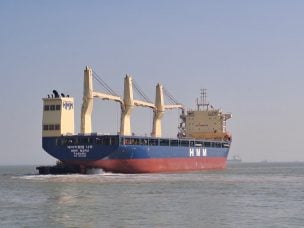
South Korea has confirmed that external strikes caused a fire on the HMM Namu vessel, an incident with cascading effects on cryptocurrency mining economics through energy cost disruptions. The event threatens Bitcoin mining profitability and creates uncertainty in geopolitical negotiations that could further destabilize energy markets.
The HMM Namu incident represents a tangible example of how physical infrastructure disruptions propagate through global energy markets and impact cryptocurrency mining operations. The confirmation of external strikes as the cause introduces geopolitical dimensions beyond typical supply-chain disruptions, suggesting potential escalation risks that could affect regional stability and energy availability for extended periods.
Crypto mining operations, particularly Bitcoin mining, operate on razor-thin margins where energy costs represent 30-70% of operational expenses depending on facility location and electricity sources. Any disruption to regional energy infrastructure directly compresses miner profitability and forces less efficient operations offline. The HMM Namu incident affects not just direct energy supply but also global shipping costs for mining hardware and operational supplies, creating second-order economic effects throughout the mining ecosystem.
For market participants, this event signals increased volatility in energy-dependent sectors. Mining difficulty adjustments typically lag actual profitability changes by 2-4 weeks, creating potential trading windows. Miners in energy-constrained regions may face operational decisions in coming weeks, potentially reducing network hash rate and creating network stress.
The broader implication involves geopolitical risk premiums now affecting cryptocurrency fundamentals. If external strikes continue or escalate, energy markets could experience sustained price pressure, fundamentally altering mining economics across Asia and potentially triggering migration of mining operations to more stable regions. Investors should monitor regional conflict developments and energy market futures for signals of sustained disruption versus isolated incident.
- →External strikes caused the HMM Namu fire, introducing geopolitical risk into energy markets affecting crypto mining.
- →Mining profitability faces compression as energy costs rise from regional infrastructure disruption.
- →Potential mining migration from affected regions could redistribute network hash rate and operational capacity.
- →Geopolitical tensions affecting energy infrastructure create unpredictable risk premiums for energy-dependent industries.
- →Network difficulty adjustment delays create 2-4 week trading windows as profitability changes filter through the ecosystem.