
Senator Scott backs Hormuz blockade, complicating US-China-Iran dynamics
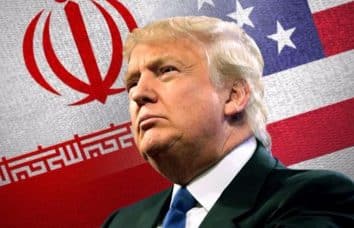
Senator Scott's endorsement of a potential Hormuz blockade escalates US-Iran tensions and complicates multilateral negotiations involving China. This geopolitical development threatens global oil supply stability, which historically correlates with cryptocurrency market volatility and risk asset repricing.
Senator Scott's backing of a Hormuz blockade represents a hardline shift in US foreign policy rhetoric that could destabilize one of the world's most critical energy chokepoints. The Strait of Hormuz facilitates approximately 20% of global petroleum trade, making any disruption to shipping a macro event with cascading economic consequences. Scott's position signals domestic political pressure toward confrontational Iran policy, complicating the Biden administration's stated preference for diplomatic channels and creating uncertainty in how Washington will balance relations with China, which depends heavily on Middle Eastern oil imports.
Historically, geopolitical tensions in the Persian Gulf have driven oil price spikes, which ripple through broader financial markets. Higher energy costs increase macroeconomic uncertainty and inflation expectations, typically benefiting Bitcoin as an inflation hedge while pressuring risk assets. This dynamic has strengthened during previous Middle East crises, with energy markets directly influencing cryptocurrency volatility.
The Hormuz blockade scenario introduces three overlapping risks: direct military escalation between Iran and US-aligned forces, Chinese economic retaliation against US policy, and global supply chain disruption. Each pathway generates different market outcomes. A military confrontation would likely spike oil futures and drive safe-haven demand for crypto assets. Chinese escalation could trigger broader geopolitical fragmentation, benefiting decentralized financial alternatives over traditional markets.
Investors should monitor diplomatic signals and Iranian rhetoric for blockade probability assessments. Energy futures prices and volatility indices will provide early warning of market repricing. Political developments in Congress regarding Iran sanctions legislation will clarify whether Scott's position gains institutional momentum or represents isolated hawkishness.
- →Hormuz blockade rhetoric threatens 20% of global petroleum supply, historically triggering oil spikes and cryptocurrency volatility
- →Geopolitical escalation typically drives Bitcoin appreciation as markets seek inflation hedges amid energy cost uncertainty
- →US-China tensions over Iran policy create divergent market scenarios depending on diplomatic versus military outcomes
- →Energy futures and volatility indices provide leading indicators for cryptocurrency repricing in geopolitical crisis scenarios
- →Sustained blockade rhetoric may accelerate institutional adoption of decentralized finance as geopolitical fragmentation risk increases