
20,000 sailors stranded as Hormuz blockade disrupts global oil trade
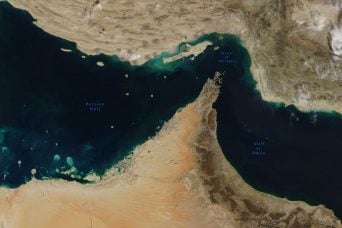
A blockade at the Strait of Hormuz has stranded approximately 20,000 sailors and disrupted critical global oil trade routes. The disruption threatens to destabilize energy markets worldwide, particularly affecting economies dependent on petroleum shipments through this strategic chokepoint.
The Strait of Hormuz blockade represents a significant geopolitical intervention in global energy infrastructure, with immediate consequences for oil supply chains. As one of the world's most critical maritime passages, any disruption to Hormuz traffic directly impacts crude oil availability and pricing across international markets. The stranding of 20,000 sailors underscores the human cost and operational severity of this blockade, signaling sustained rather than temporary interference.
Historically, the Strait of Hormuz has been a flashpoint for regional tensions, with multiple actors viewing control over this passage as strategically valuable. Previous incidents have demonstrated how maritime disruptions cascade through global energy systems. This blockade follows patterns of escalating geopolitical friction in the Middle East, where political and military actors increasingly weaponize energy infrastructure to assert influence.
The macroeconomic implications extend beyond oil prices. Energy instability typically triggers inflation concerns, currency volatility, and broader market uncertainty. Cryptocurrency markets often respond to macro shocks and energy cost pressures, as investors seek alternative stores of value during periods of economic disruption. Elevated oil prices increase production costs for blockchain infrastructure and mining operations while simultaneously strengthening the case for decentralized financial systems independent of centralized energy supply chains.
Market participants should monitor developments carefully. Extended blockade duration could force strategic petroleum reserve releases, reshape energy trade routes, and accelerate investment in alternative energy infrastructure. The situation creates both volatility risks and potential opportunities for investors positioning for sustained energy market tightness.
- →Approximately 20,000 sailors are stranded due to the Strait of Hormuz blockade affecting global oil shipments.
- →The blockade threatens energy stability for economies dependent on Middle Eastern petroleum exports.
- →Oil market disruptions typically increase volatility and inflation expectations across asset classes.
- →Geopolitical energy crises historically drive interest in alternative financial systems and decentralized solutions.
- →Extended blockade duration could trigger strategic petroleum reserve releases and redirect global energy trade routes.