
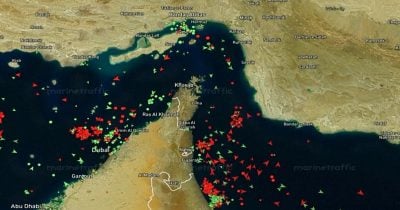
Ship traffic through the Strait of Hormuz has increased following a US-Iran war deal, signaling cautious optimism for global trade stability. However, the fragility of ceasefire terms presents ongoing risks to market confidence and economic continuity.
The resumption of shipping activity through the Strait of Hormuz represents a significant de-escalation in geopolitical tensions that have directly impacted global energy markets and risk sentiment. The waterway serves as a critical chokepoint for approximately 20-30% of global oil trade, making any disruption a systemic risk factor for worldwide economic stability. The US-Iran war deal removes immediate military confrontation fears that previously triggered energy price volatility and broader market uncertainty.
Historically, tensions in the Strait of Hormuz have created sharp spikes in oil prices, which cascade through cryptocurrency and equity markets as inflation concerns emerge and risk-off sentiment dominates investor behavior. Previous incidents involving tanker seizures and military posturing created sustained periods of elevated volatility across asset classes. This diplomatic breakthrough follows months of escalating rhetoric and military positioning that had kept markets on edge.
For cryptocurrency and digital asset markets, reduced geopolitical risk typically improves risk appetite and reduces safe-haven capital flows into traditional assets like gold or defensive equities. Normalized trade flows support global economic growth expectations, which benefit speculative assets. However, the article's emphasis on the ceasefire's fragility suggests investors should maintain cautious positioning rather than dramatically shift toward risk-on strategies.
Market participants should monitor ceasefire compliance metrics, Iranian sanctions policy developments, and energy price reactions closely. Future flashpoints could quickly reverse current optimism, particularly if either party signals treaty violations or military posturing resumes. The stability of this agreement will determine whether markets can sustain confidence in global trade recovery.
- →Hormuz shipping activity increase reflects reduced US-Iran military tensions and geopolitical risk
- →The Strait of Hormuz disruption risk removal supports global trade stability and risk asset sentiment
- →Fragile ceasefire terms present ongoing volatility risks that could rapidly shift market sentiment
- →Oil price stability from improved geopolitical outlook may reduce inflation concerns and support broader asset markets
- →Investors should monitor ceasefire compliance and sanctions policy for early warning signals of renewed tensions