
UK’s Cooper calls for resumption of Strait of Hormuz shipping amid US-Iran tensions
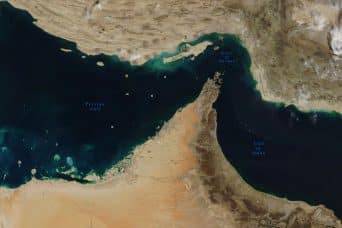
UK Foreign Secretary Cooper calls for resumed shipping through the Strait of Hormuz amid escalating US-Iran tensions. The diplomatic appeal highlights how geopolitical instability in critical maritime chokepoints directly threatens global trade flows and market stability, with potential ripple effects across commodity prices and risk asset valuations.
The Strait of Hormuz represents one of the world's most critical maritime passages, with approximately 21% of global petroleum trade flowing through its narrow channel. UK diplomatic intervention signals deepening concern about the sustainability of this vital shipping corridor amid heightened US-Iran tensions. Cooper's call for resumption reflects the immediate economic stakes—disruptions to Hormuz shipping historically trigger sharp crude oil price spikes and broader market volatility. The underlying geopolitical friction between the US and Iran has periodically manifested in maritime incidents, shipping insurance premium increases, and supply chain disruptions that ripple across global markets.
From a macroeconomic perspective, Hormuz disruptions function as a hidden tax on global commerce. Energy markets are particularly sensitive; crude oil prices can spike 10-20% on credible supply interruption fears. These energy cost increases subsequently flow through to inflation expectations, central bank policy considerations, and broader asset allocation decisions. For cryptocurrency markets specifically, oil price volatility and geopolitical risk premiums create macro conditions that influence risk-on sentiment and investor capital reallocation between traditional commodities and digital assets.
The diplomatic push suggests recognition that market stability requires sustained access to Hormuz trade routes. Investors should monitor escalation indicators including shipping insurance costs, tanker positioning data, and official US-Iran communications. Sustained Hormuz tensions could trigger commodity-driven inflation narratives that influence both traditional and crypto market sentiment, potentially benefiting hard assets while pressuring risk assets dependent on stable growth expectations.
- →The Strait of Hormuz handles 21% of global oil trade, making shipping disruptions a systemic economic threat.
- →UK diplomatic intervention reflects serious concerns about geopolitical instability affecting critical trade infrastructure.
- →Hormuz shipping disruptions historically trigger crude oil price spikes of 10-20% with cascading market impacts.
- →Geopolitical risk premiums in energy markets influence capital flows across traditional and cryptocurrency asset classes.
- →Sustained tensions could shift investor sentiment toward hard assets while pressuring growth-dependent risk assets.