
House Freedom Caucus escalates fight over CBDC ban as FISA deadline approaches
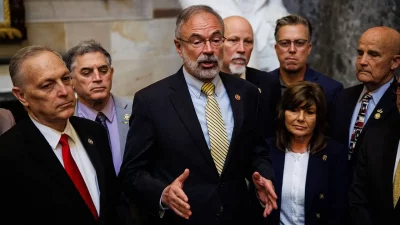
The House Freedom Caucus is intensifying efforts to ban Central Bank Digital Currencies (CBDCs), framing the push around privacy concerns as a FISA deadline approaches. This political escalation could accelerate demand for decentralized and private digital currency alternatives among users seeking to avoid government surveillance.
The House Freedom Caucus's anti-CBDC campaign reflects deepening ideological divisions within U.S. politics over financial surveillance and monetary control. By linking CBDC opposition to broader FISA privacy debates, the caucus strategically positions digital currency regulation within a larger conversation about government oversight, resonating with constituents concerned about financial privacy. This legislative push matters because CBDCs represent one of the most significant potential shifts in how citizens interact with government-issued money, and political resistance could delay or derail U.S. CBDC development.
The underlying tension stems from fundamental disagreements about whether CBDCs enable beneficial financial inclusion or create unprecedented surveillance infrastructure. Privacy advocates argue that programmable central bank digital currencies could allow governments to track, restrict, or freeze individual transactions at scale. This concern has legitimacy given historical precedent with financial freezes and sanctions, making privacy-focused opposition intellectually coherent rather than purely ideological.
For the cryptocurrency industry, escalating CBDC opposition creates interesting dynamics. While many crypto advocates oppose CBDCs philosophically, regulatory hostility toward government digital currencies could indirectly support demand for truly decentralized alternatives like Bitcoin and Ethereum. Users concerned about CBDC surveillance may migrate toward non-sovereign digital assets offering genuine privacy guarantees. However, if anti-CBDC sentiment translates into broader crypto-skeptical legislation, the net effect could harm the entire digital assets ecosystem.
Market participants should monitor whether this caucus initiative influences broader congressional sentiment or remains isolated within a specific ideological faction. The outcome of FISA negotiations and any CBDC-related legislative proposals will signal the political feasibility of restrictive crypto regulation versus CBDC limitations.
- →House Freedom Caucus links CBDC opposition to FISA surveillance concerns, expanding the political coalition against digital currencies.
- →Privacy concerns about programmable CBDCs creating government surveillance infrastructure represent legitimate regulatory arguments gaining traction.
- →Regulatory hostility toward government digital currencies could paradoxically boost demand for decentralized private alternatives like privacy coins.
- →The political outcome will signal whether U.S. lawmakers prioritize financial privacy over central bank digital innovation.
- →Crypto investors should monitor FISA deadline negotiations as a barometer for broader digital currency and privacy regulation.