
Houthi leader calls for resistance, complicates US-Iran talks
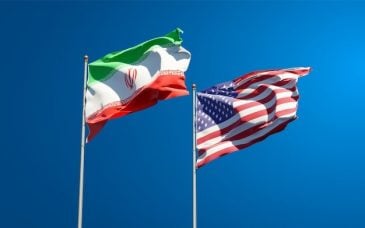
A Houthi leader's call for resistance escalates regional tensions and complicates ongoing US-Iran diplomatic negotiations. The rhetoric threatens to undermine peace efforts and raises geopolitical risks that could affect global markets.
The Houthi leader's renewed call for resistance represents a significant complication in US-Iran diplomatic efforts. This development signals potential hardening positions among Iran-aligned militant groups, which could undermine negotiation momentum and increase the likelihood of escalatory actions. Such resistance rhetoric typically accompanies periods of heightened regional instability, where non-state actors use inflammatory language to influence state-level negotiations or assert their own strategic priorities.
Historically, Houthi statements coincide with broader patterns of Iranian regional strategy, wherein proxy groups amplify messaging to constrain US diplomatic flexibility. The timing of this call for resistance suggests either a reaction to perceived US policy shifts or an attempt to prevent potential concessions by Iran in ongoing talks. Regional tensions involving the Houthis have previously affected global shipping routes, energy prices, and financial markets through disruptions to critical infrastructure.
For cryptocurrency and financial markets, geopolitical instability in the Middle East creates macroeconomic uncertainty that traditionally benefits safe-haven assets while increasing volatility in risk assets. If US-Iran tensions escalate further, oil prices could spike, triggering inflation concerns and potentially affecting Federal Reserve policy trajectories. This indirectly impacts crypto markets through shifts in real interest rates and broader risk sentiment.
Observers should monitor whether this rhetoric translates into concrete hostile actions—such as attacks on shipping or military installations—which would constitute a material escalation. The trajectory of diplomatic negotiations will determine whether tensions stabilize or accelerate further.
- →Houthi resistance rhetoric complicates US-Iran negotiations and suggests hardening positions among regional actors
- →Non-state actor statements often signal broader Iranian strategy to constrain diplomatic flexibility
- →Middle East tensions historically create oil price volatility and broader macroeconomic uncertainty affecting risk assets
- →Escalation could disrupt critical infrastructure including global shipping routes and energy markets
- →Crypto markets remain sensitive to geopolitical crises through real interest rate and risk sentiment effects