
Houthis impose total naval blockade on Israel in Red Sea escalation
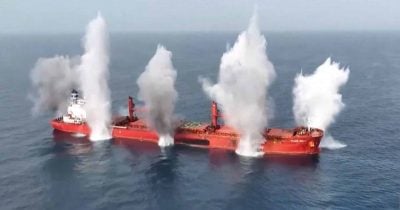
The Houthis have implemented a total naval blockade on Israel in the Red Sea, escalating regional tensions and threatening critical global trade routes. The action risks international military intervention and disrupts shipping corridors that connect Asia, Europe, and the Middle East, with potential ripple effects on global commerce and commodity prices.
The Houthis' declaration of a total naval blockade on Israel represents a significant escalation in Red Sea tensions, directly threatening one of the world's most strategically important maritime corridors. This waterway handles approximately 12% of global trade and serves as a critical link between Asian markets and European ports through the Suez Canal. The blockade disrupts supply chains for goods ranging from consumer electronics to energy commodities, creating immediate pressure on shipping costs and delivery timelines.
This escalation emerges from broader regional conflict dynamics and reflects heightened proxy tensions in the Middle East. The Houthis, backed by Iran, have progressively targeted commercial shipping in the Red Sea over recent months, but a declared total blockade marks a qualitative shift toward formal economic warfare. The action signals willingness to impose significant costs on global trade rather than conduct isolated incidents.
For cryptocurrency and digital asset markets, geopolitical crises of this magnitude typically trigger increased volatility. Traders historically view risk assets more cautiously during major supply chain disruptions and military escalation, while some may seek alternative payment rails or decentralized finance solutions to circumvent traditional banking restrictions. Energy prices, particularly oil and natural gas, will likely experience upward pressure, which inversely affects risk appetite for speculative assets like cryptocurrencies.
The situation bears close monitoring for military responses from the United States, international coalition members, or Israel itself. Any escalation could trigger broader Middle East conflict, fundamentally reshaping global economic conditions and institutional capital allocation toward safe-haven assets. Market participants should watch shipping indices, energy futures, and traditional equity volatility as leading indicators of spillover effects into crypto markets.
- →Houthis declare total Red Sea naval blockade on Israel, threatening 12% of global maritime trade
- →Critical shipping corridor disruption raises commodity prices and supply chain costs globally
- →Geopolitical escalation typically increases cryptocurrency volatility as risk sentiment deteriorates
- →International military intervention risk could widen conflict and further disrupt markets
- →Traders should monitor energy futures and shipping indices as early warning signals for crypto volatility