
Houthis vow to block Israeli ships in Red Sea escalation
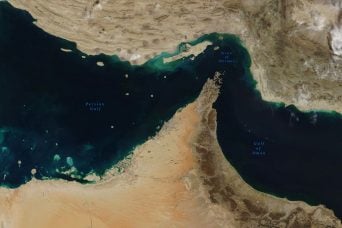
Houthi militants have threatened to block Israeli ships transiting the Red Sea, escalating regional tensions. This geopolitical conflict threatens critical global shipping lanes and could disrupt international trade, including energy markets and cryptocurrency market liquidity tied to traditional finance stability.
The Houthi threat to blockade Israeli vessels in the Red Sea represents a significant escalation in Middle Eastern hostilities with far-reaching implications for global commerce. The Red Sea remains one of the world's most critical maritime chokepoints, handling approximately 12% of global trade volume and serving as a vital corridor for energy shipments to Europe and Asia. Any sustained disruption to this route could ripple across multiple economic sectors, directly impacting oil prices, shipping costs, and broader macroeconomic stability.
This conflict emerges amid longstanding Israeli-Palestinian tensions and regional proxy conflicts involving Iran-backed militias. The Houthis, a Yemen-based militant group, have previously conducted maritime operations and possess the capability to disrupt shipping through drone and missile attacks. Escalation could prompt military interventions from international powers invested in maintaining free trade passage, potentially broadening the conflict beyond the immediate region.
For cryptocurrency and financial markets, geopolitical instability traditionally correlates with increased volatility and flight-to-quality dynamics. Disrupted trade routes elevate inflation expectations, potentially affecting monetary policy trajectories and risk sentiment. Oil price spikes from supply concerns could reinforce inflationary pressures, complicating the macroeconomic backdrop for risk assets including cryptocurrencies. Investors typically monitor such geopolitical events as leading indicators of broader market stress.
The coming weeks will clarify whether this represents posturing or genuine operational capability. Military responses to any concrete blockade attempts, international shipping insurance implications, and energy market reactions warrant close monitoring as potential catalysts for increased market volatility.
- →Houthi blockade threats target the Red Sea, a critical global trade artery handling 12% of worldwide commerce
- →Disruptions could spike oil prices and shipping costs, triggering inflation expectations and market volatility
- →Geopolitical escalation typically correlates with flight-to-quality dynamics affecting risk asset valuations
- →Military intervention risks and regional conflict expansion remain critical variables to monitor
- →Cryptocurrency markets may experience increased volatility if broader macroeconomic stress materializes