
The skeptic’s guide to humanoid robots going viral on the Internet
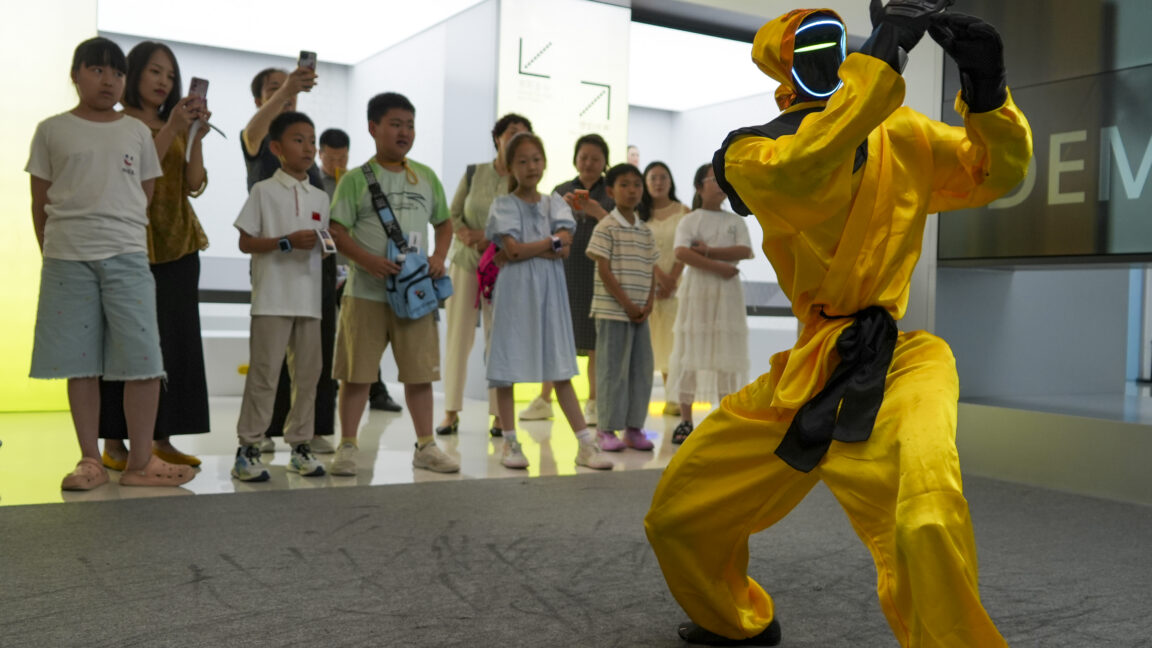
Viral humanoid robot demonstrations often misrepresent actual capabilities through selective editing and controlled environments, creating inflated public expectations. The disconnect between viral content and genuine technological progress risks undermining credibility in the robotics field and misleading investors about near-term commercialization timelines.
Humanoid robot videos regularly circulate across social media platforms, generating millions of views and headlines claiming imminent breakthroughs in automation. However, these demonstrations frequently employ camera angles, editing techniques, and carefully curated scenarios that obscure significant limitations in real-world performance. The gap between laboratory conditions and practical deployment reveals a persistent challenge in emerging technology communication: viral moments prioritize entertainment value over technical accuracy, distorting public and investor understanding of actual progress.
This phenomenon reflects broader patterns in technology adoption cycles where early-stage innovations face amplified expectations. Previous waves of AI and robotics hype have similarly produced cycles of enthusiasm followed by disappointing commercialization timelines. The robotics sector specifically struggles with handling expectations because physical systems require solving multiple complex problems simultaneously—dexterity, perception, energy efficiency, safety—rather than optimizing single metrics like language model performance.
For investors and industry stakeholders, viral demonstrations create both opportunity and risk. Retail investors may overestimate near-term returns based on spectacular videos, while serious entrepreneurs struggle to secure funding based on realistic timelines. Companies leveraging viral marketing gain visibility but accumulate credibility debt when commercialization lags public expectations. Developers and researchers face pressure to produce eye-catching content rather than incremental breakthroughs, potentially redirecting resources from fundamental engineering challenges.
Moving forward, the robotics industry should establish clearer communication standards distinguishing between proof-of-concept demonstrations and production-ready systems. Independent verification and standardized testing protocols could help calibrate public expectations while maintaining enthusiasm for genuine progress in the sector.
- →Viral robot videos often use selective editing and controlled environments that misrepresent actual capabilities
- →The credibility gap between demonstrations and real-world performance undermines investor confidence long-term
- →Robotics companies face pressure to produce viral content rather than solve fundamental engineering challenges
- →Expectation management failures in early-stage technology create boom-bust cycles affecting funding and development
- →Standardized testing protocols and independent verification could improve public understanding of robotics progress