
PM Magyar moves to oust Hungary’s president, launch anti-graft office
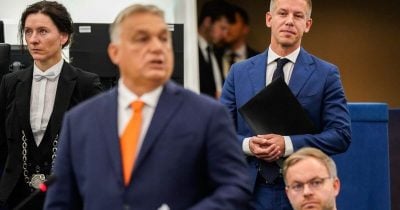
Hungarian Prime Minister Magyar is pursuing institutional reforms including ousting the country's president and establishing an anti-corruption office. These moves could reshape Hungary's political landscape, potentially improve EU relations, and affect economic stability through access to EU recovery funds.
Prime Minister Magyar's push to remove Hungary's president and establish an anti-corruption office represents a significant shift in Hungarian politics. These institutional reforms signal an attempt to consolidate executive power while simultaneously addressing EU concerns about democratic governance and corruption that have strained Budapest's relationship with Brussels. The anti-graft office particularly targets long-standing concerns from international observers about transparency and accountability in Hungarian governance.
Hungary has faced significant EU pressure over judicial independence and rule-of-law issues under previous administrations. Magyar's reforms appear designed to address these criticisms while potentially repositioning Hungary as a more compliant EU member. Successfully implementing these changes could unlock frozen EU recovery funds and improve access to European financial mechanisms, which directly impacts Hungary's macroeconomic stability and investor confidence.
For cryptocurrency and blockchain sectors operating in Hungary, clearer governance and reduced corruption perceptions could improve the regulatory environment. Enhanced EU relations may facilitate more harmonized digital asset policies across the bloc. However, political instability during the transition period could create uncertainty for businesses and investors already navigating Hungary's complex regulatory landscape.
Investors should monitor whether these reforms successfully translate into policy changes and EU fund access. The success of Magyar's anti-corruption initiatives will be crucial for determining Hungary's economic trajectory and its position within European financial systems. Market participants should track EU response to these institutional changes and any timeline for fund disbursement.
- →Magyar seeks to oust Hungary's president and create anti-corruption office to reshape governance
- →Reforms directly address EU concerns about rule-of-law and judicial independence in Hungary
- →Successful implementation could unlock frozen EU recovery funds and improve economic stability
- →Enhanced EU relations may facilitate more favorable cryptocurrency regulatory environment
- →Political transition period creates uncertainty for investors and businesses in Hungary