
Hyperliquid generates $700M in annualized revenue from $3B collateral
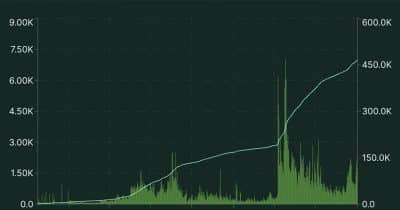
Hyperliquid has achieved $700M in annualized revenue from $3B in collateral, demonstrating strong unit economics and sustainable growth in decentralized finance. The platform's diversification into new markets and self-sustained business model positions it as a competitive challenger to traditional centralized exchanges.
Hyperliquid's achievement of $700M annualized revenue from $3B collateral represents a significant milestone in decentralized finance infrastructure. This 23% revenue-to-collateral ratio indicates efficient capital utilization and suggests the platform has found product-market fit in the derivatives trading space. The metric reveals that Hyperliquid generates substantial transaction fees and trading volume relative to locked capital, which differs markedly from many DeFi protocols that struggle with unit economics.
The platform emerges during a broader maturation phase of decentralized exchanges, where early friction points like low liquidity and poor user experience have been addressed through technological improvements and better incentive design. Hyperliquid's growth reflects increasing institutional and retail demand for non-custodial trading alternatives, particularly as regulatory scrutiny on centralized exchanges intensifies globally. The protocol's ability to scale collateral deposits while maintaining profitability demonstrates that DeFi derivatives can operate sustainably without constant token emissions or unsustainable incentive programs.
For market participants, Hyperliquid's financial performance reshapes competitive dynamics. Traditional exchanges face pressure as decentralized alternatives prove economically viable at scale, potentially capturing market share through transparency and self-custody benefits. The $3B collateral base also signals growing confidence in the platform's technical security and operational reliability.
Looking forward, watch whether Hyperliquid can maintain these margins while expanding into additional asset classes and markets. Competition from other decentralized derivatives platforms will intensify, and regulatory frameworks will shape which protocols capture long-term value. The protocol's success may accelerate institutional adoption of DeFi infrastructure.
- →Hyperliquid generates $700M annualized revenue from $3B collateral, achieving 23% revenue-to-collateral ratio
- →Platform demonstrates sustainable unit economics without relying on token incentives or continuous emissions
- →Growth reflects broader shift toward decentralized, non-custodial trading alternatives over centralized exchanges
- →The financial metrics indicate DeFi derivatives can achieve profitability and scale simultaneously
- →Hyperliquid's success positions decentralized protocols as direct competitors to traditional exchange business models