
IAEA brokers local ceasefire for repairs at Zaporizhzhia nuclear plant
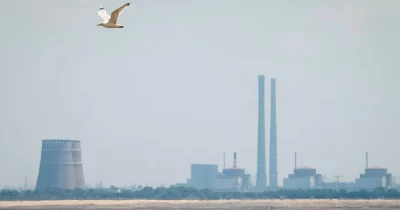
The IAEA successfully brokered a local ceasefire to enable critical repairs at the Zaporizhzhia nuclear plant, underscoring the essential role of international cooperation in preventing nuclear disasters during armed conflict. This diplomatic achievement highlights the intersection of geopolitical stability and global security concerns that can impact financial markets and investor sentiment.
The IAEA's ability to negotiate temporary ceasefires around critical nuclear infrastructure represents a significant diplomatic achievement in an otherwise volatile geopolitical environment. The Zaporizhzhia nuclear plant, Europe's largest nuclear facility, has faced repeated risks during the ongoing conflict, creating international concerns about potential catastrophic outcomes that could destabilize multiple regions and economies.
This situation emerged from the broader context of military operations threatening vital civilian infrastructure. Nuclear facilities present unique challenges during conflicts because damage or meltdowns can create humanitarian crises with transnational consequences, affecting energy prices, insurance markets, and investor confidence across Europe and globally. The IAEA's success demonstrates that even amid intense conflict, humanitarian imperatives can create space for diplomatic solutions when stakeholders recognize mutual risks.
For markets and investors, nuclear safety developments carry material significance. Nuclear incidents or the threat thereof influence energy commodity pricing, insurance costs, and economic forecasts for affected regions. Successful diplomatic interventions that reduce catastrophic risk help stabilize expectations and prevent panic-driven market reactions. Conversely, failed negotiations or deteriorating security at nuclear facilities can trigger sharp asset repricing and capital flight.
Looking forward, observers should monitor whether temporary ceasefires become sustainable, whether other critical infrastructure gains similar protection agreements, and how prolonged conflict affects nuclear maintenance schedules globally. The precedent established here—using international institutions to create security corridors around essential facilities—may inform future conflict resolution frameworks and shape how markets price geopolitical risk.
- →IAEA successfully negotiated local ceasefire enabling critical repairs at Europe's largest nuclear facility amid ongoing conflict.
- →Nuclear safety breaches during conflicts carry transnational humanitarian and economic consequences affecting global investor sentiment.
- →Diplomatic agreements protecting critical infrastructure demonstrate mutual risk recognition among conflicting parties.
- →Nuclear facility security developments influence energy prices, insurance markets, and macroeconomic forecasts.
- →International institutions play critical roles in establishing humanitarian corridors and preventing catastrophic outcomes during conflicts.