
IBM unveils new method to miniaturize computer chip components
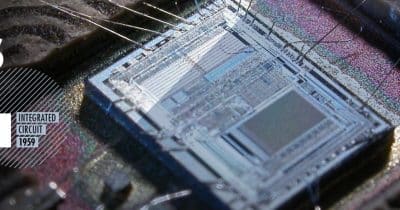
IBM has developed a new miniaturization method for computer chip components that could accelerate AI hardware advancement. The breakthrough carries implications for technology innovation and investment strategies across the semiconductor and AI sectors.
IBM's announcement of a new chip miniaturization technique represents a significant engineering advancement in semiconductor manufacturing. The ability to reduce component size while maintaining or improving performance addresses a fundamental challenge in the industry—as transistors approach atomic-scale limits, traditional scaling methods face diminishing returns. This breakthrough suggests IBM has found novel approaches to overcome these physical constraints, potentially extending Moore's Law's relevance for several more technology generations.
The semiconductor industry has long pursued miniaturization as the primary driver of computational power increases. Smaller components enable higher transistor density, lower power consumption, and improved thermal efficiency. For AI applications specifically, miniaturization is critical because machine learning workloads demand substantial computational resources. More compact chips allow data centers and edge devices to deploy more powerful AI processors in the same physical space, reducing infrastructure costs.
From an investment perspective, this development could strengthen IBM's competitive position in the semiconductor equipment and design sectors. Companies building AI infrastructure—cloud providers, semiconductor manufacturers, and AI chip designers—may benefit from access to improved miniaturization techniques. The advancement could also trigger increased R&D spending across the semiconductor industry as competitors race to match or exceed IBM's capabilities.
Market participants should monitor whether IBM licenses this technology to other manufacturers or integrates it exclusively into their own products. The timeline for commercial implementation and the actual performance gains versus current-generation chips will determine the real-world impact. Industry leaders like TSMC, Samsung, and Intel will likely accelerate their own miniaturization research programs in response.
- →IBM's miniaturization breakthrough addresses semiconductor scaling challenges that limit current chip performance improvements.
- →Smaller components enable higher AI computing density, reducing infrastructure costs for data centers and edge devices.
- →The development could strengthen IBM's competitive position in semiconductor design and manufacturing.
- →Competitors will likely accelerate research programs to match or exceed the new miniaturization capabilities.
- →Commercial impact depends on licensing terms, implementation timeline, and verified performance gains over existing solutions.