
Ikea’s billionaire founder was so frugal that he bought clothes from flea markets and took free salt and pepper from restaurants
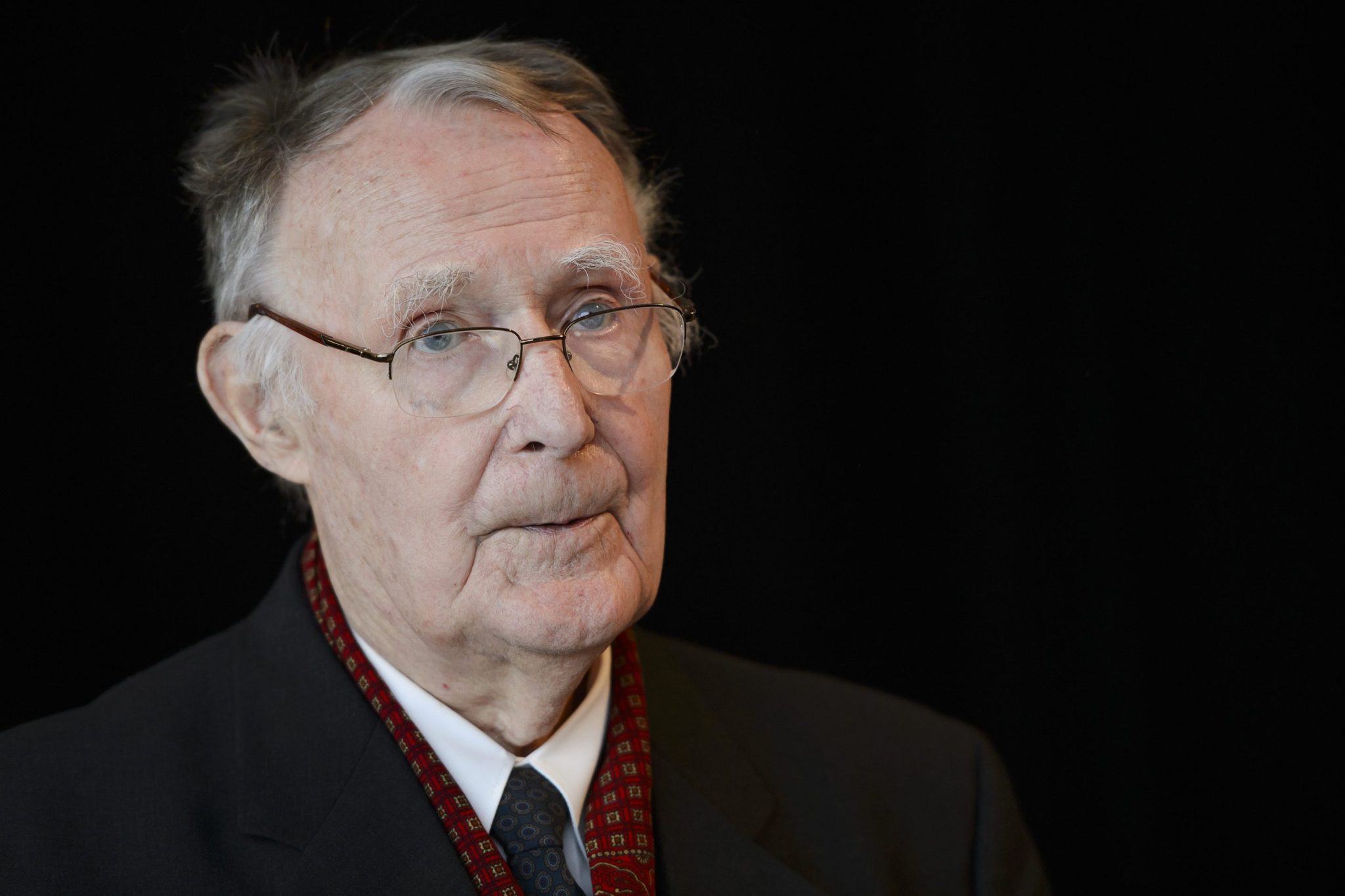
Ingvar Kamprad, Ikea's billionaire founder, was known for extreme frugality despite his massive wealth, including taking condiments from restaurants and shopping at flea markets. The article highlights the personal spending habits of one of history's richest entrepreneurs.
Kamprad's legendary frugality presents an interesting counternarrative to modern wealth accumulation and consumption patterns. While most billionaires display their wealth through luxury purchases and ostentatious spending, Kamprad maintained working-class habits throughout his life, suggesting that extreme wealth and modest living are not mutually exclusive. This behavioral pattern reflects values formed during his formative years and demonstrates how personal philosophy can shape spending regardless of financial capacity.
Historically, many self-made billionaires exhibit similar traits—Warren Buffett's modest Omaha home and Steve Jobs' minimalist aesthetic follow comparable patterns. These individuals separated personal consumption from business success, suggesting that frugality may correlate with the discipline required to build large enterprises. Kamprad's approach to wealth accumulation prioritized reinvestment and business growth over personal consumption, a philosophy embedded in Ikea's operational model of efficiency and cost optimization.
From a cultural perspective, Kamprad's behavior challenges contemporary assumptions about wealth's purpose. Modern consumer culture encourages billionaires to display status through spending, yet Kamprad's choices suggest alternative frameworks for understanding success. His practices influenced Ikea's corporate culture, emphasizing operational efficiency that became central to the company's competitive advantage.
Looking forward, Kamprad's approach offers lessons for emerging entrepreneurs and wealth creators. As discussions around inequality and billionaire spending intensify, examining historical figures who accumulated wealth without proportional consumption provides useful context. His legacy extends beyond retail innovation to demonstrate that personal financial discipline and business scalability are distinct phenomena, potentially informing how future generations conceptualize wealth management.
- →Ikea founder Ingvar Kamprad maintained extreme frugality despite being a billionaire, including taking salt and pepper packets from restaurants.
- →Kamprad's modest personal spending habits contrasted sharply with his business success, suggesting frugality correlates with entrepreneurial discipline.
- →His philosophy of efficiency in personal life directly influenced Ikea's operational model of cost optimization.
- →Self-made billionaires often exhibit similar spending restraint, prioritizing reinvestment over conspicuous consumption.
- →Kamprad's approach challenges modern assumptions about how billionaires should display and use their wealth.