
IMC Trading, Susquehanna expand currency options market push with major infrastructure bets
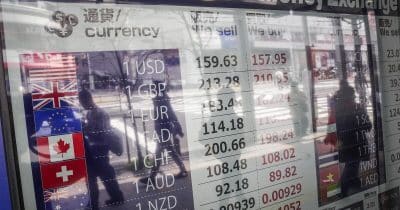
Major trading firms IMC Trading and Susquehanna are making significant infrastructure investments to expand the currency options market beyond traditional banking institutions. This non-bank participation could improve market transparency, liquidity, and efficiency for institutional investors, reshaping how FX options are traded.
IMC Trading and Susquehanna's infrastructure expansion represents a meaningful shift in how currency derivatives markets operate. Traditionally dominated by major banks, the entry of sophisticated non-bank firms with substantial capital backing signals growing demand for alternative execution venues and clearing mechanisms in FX options trading. This development reflects the broader institutional trend toward decentralization of financial market infrastructure.
The competitive pressure from fintech platforms and electronic trading networks has forced legacy market structures to modernize. By investing in infrastructure, these firms are building direct competition to incumbent banking models that have long controlled FX options pricing and distribution. The initiatives likely include enhanced technology platforms, connectivity improvements, and potentially new clearing arrangements that bypass traditional correspondent banking relationships.
Institutional investors stand to benefit from increased competition, which typically drives down costs, improves execution quality, and expands market access. Enhanced transparency through alternative venues could reduce information asymmetries that currently favor banks with privileged market data. Smaller institutions and alternative asset managers gain more direct access to deep liquidity pools previously available only to top-tier counterparties.
The competitive landscape for FX options will likely intensify as these firms build out capabilities. Market participants should monitor whether additional trading firms follow with similar infrastructure investments, and whether regulatory frameworks adapt to accommodate non-bank market makers. The ultimate impact depends on whether these platforms achieve sufficient liquidity to challenge established banking relationships that have persisted for decades.
- →Non-bank firms are building major infrastructure to compete in traditionally bank-dominated FX options markets
- →Increased competition could lower costs and improve execution quality for institutional investors
- →Market transparency and liquidity improvements may reduce information asymmetries favoring legacy players
- →Alternative venues bypass correspondent banking relationships, threatening traditional financial intermediaries
- →Success depends on whether new platforms achieve sufficient liquidity to sustain competition with banks