
IMF warns tit-for-tat trade warfare threatens global economy
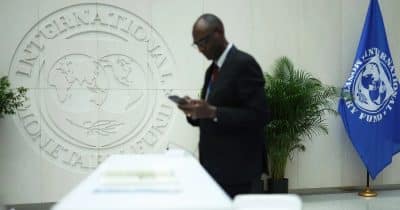
The International Monetary Fund has issued a warning that escalating trade tensions pose a significant risk to global economic stability. The tit-for-tat trade warfare threatens to stifle economic growth and increase uncertainty across international markets.
The IMF's warning reflects growing concerns about protectionist trade policies and retaliatory measures between major economic powers. Trade tensions typically emerge from disputes over tariffs, intellectual property, and market access, with each side responding with counter-measures that spiral into broader economic conflict. This escalation matters because global trade represents a substantial portion of GDP for developed and emerging economies alike, and disruptions ripple through supply chains, investment flows, and consumer confidence worldwide.
Historically, trade disputes have preceded periods of market volatility and economic slowdowns. The current environment mirrors patterns seen during previous trade wars, where uncertainty deterred capital investment and business expansion. Cryptocurrency markets, already sensitive to macroeconomic conditions, typically respond negatively to trade war narratives, as investors seek safety and reduce exposure to risk assets during geopolitical uncertainty.
For the crypto and broader investment community, trade warfare indirectly affects digital asset markets by reducing overall risk appetite and potentially triggering capital flight to traditional safe havens. Central banks responding to trade-induced slowdowns may alter monetary policy, which historically influences cryptocurrency valuations and investor behavior. Developers and projects tied to international commerce or cross-border payments face increased headwinds from reduced trading volumes and regulatory scrutiny.
Market participants should monitor trade negotiation developments and central bank policy responses. Prolonged trade tensions could drive institutional investors toward cryptocurrencies as alternative hedges against currency depreciation and inflation, though near-term volatility remains likely as markets digest macroeconomic uncertainty.
- →IMF warns that escalating trade tensions threaten global economic growth and market stability
- →Tit-for-tat tariffs and retaliatory measures create widespread uncertainty across international markets
- →Crypto markets typically decline during trade war environments due to reduced risk appetite
- →Supply chain disruptions and reduced business investment are secondary effects of trade conflicts
- →Central bank policy responses to slowdowns may indirectly influence cryptocurrency valuations