
IMO coordinates Hormuz evacuation with Iran and Oman to free 11,000 stranded seafarers
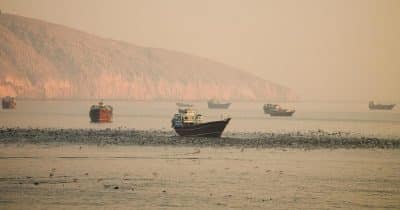
The International Maritime Organization (IMO) coordinated with Iran and Oman to evacuate approximately 11,000 stranded seafarers from the Strait of Hormuz, demonstrating critical international cooperation in resolving maritime crises amid geopolitical tensions. The evacuation underscores the importance of multilateral dialogue in managing shipping disruptions that could impact global trade and energy markets.
The IMO's facilitation of a coordinated evacuation in the Strait of Hormuz represents a rare instance of successful international cooperation amid regional tensions. The operation to free 11,000 seafarers required delicate diplomatic negotiations between multiple parties, including Iran and Oman, highlighting how maritime crises transcend typical geopolitical divides when humanitarian interests align. Such stranded seafarers situations create urgent logistical and humanitarian challenges that demand pragmatic engagement regardless of political relationships.
The Strait of Hormuz remains one of the world's most critical chokepoints for global energy and commodity transport. Disruptions in this region have historically triggered volatility in oil markets and broader macroeconomic concerns. Previous incidents involving vessel seizures or sanctions-related shipping complications have created uncertainty for traders and investors exposed to energy commodities and shipping logistics. This evacuation demonstrates that even during tense periods, practical maritime governance can function through institutional frameworks like the IMO.
For cryptocurrency and blockchain markets, maritime disruptions indirectly influence macro conditions affecting risk appetite. Energy price shocks stemming from shipping disruptions can trigger broader market volatility, which historically correlates with crypto asset movements. Supply chain complications in critical regions can also pressure inflation expectations and central bank policy trajectories, creating secondary effects on digital assets.
Future developments to monitor include whether this coordination establishes precedent for broader regional cooperation and whether geopolitical tensions resurge to disrupt shipping routes again. The stability of the Hormuz corridor remains crucial for global economic confidence and energy security.
- →IMO successfully coordinated evacuation of 11,000 seafarers with Iran and Oman, demonstrating humanitarian-driven international cooperation.
- →The Strait of Hormuz evacuation highlights vulnerability of critical global shipping chokepoints to geopolitical disruption.
- →Maritime crises can trigger energy price volatility and broader macroeconomic effects that influence cryptocurrency markets.
- →Institutional frameworks like the IMO remain effective for managing logistics during regional tensions when humanitarian stakes are high.
- →Future shipping stability in the region depends on whether this cooperation establishes durable diplomatic precedent.