
IMO plans evacuation for ships stuck in Persian Gulf amid Hormuz tensions
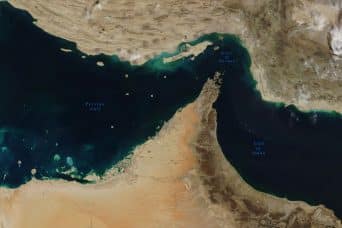
The International Maritime Organization is coordinating an evacuation plan for vessels trapped in the Persian Gulf as U.S.-Iran tensions escalate around the Strait of Hormuz. The initiative's success depends on diplomatic cooperation between Washington and Tehran, with significant implications for global shipping routes and trade flows.
The IMO's evacuation proposal addresses a critical vulnerability in global maritime commerce. The Strait of Hormuz handles approximately one-third of seaborne traded oil, making any disruption a systemic risk to energy markets and supply chains. Current geopolitical friction between the U.S. and Iran creates genuine risk of shipping incidents, vessel seizures, or military confrontations that could strand cargo and crews indefinitely.
Historically, Persian Gulf tensions have repeatedly rattled markets. The 1987-1988 Tanker War demonstrated how regional conflicts directly impact energy prices and insurance costs. More recently, drone attacks on tankers and the seizure of foreign vessels highlighted vulnerabilities in this critical chokepoint. An organized evacuation framework represents a pragmatic attempt to de-escalate through institutional coordination rather than military posturing.
For markets, the real impact hinges on whether the evacuation plan actually functions. If implemented successfully, it could reduce perceived risk and stabilize energy prices. Conversely, if U.S.-Iran tensions prevent cooperation, markets will price in elevated geopolitical risk premiums across energy, equities, and volatility indices. Shipping insurance costs and crude oil volatility would likely spike significantly.
The coming months will reveal whether diplomatic channels can support this framework. Watch for formal agreement announcements from both parties, any shipping incidents, and shifts in oil price volatility. The broader signal matters: whether the international system can manage regional crises through cooperation or whether fragmentation accelerates.
- →IMO evacuation plan targets ships trapped in Persian Gulf amid escalating U.S.-Iran tensions
- →Plan's success requires unprecedented U.S.-Iran diplomatic cooperation on a security issue
- →Strait of Hormuz handles ~33% of global seaborne oil trade, making disruptions systemically risky
- →Geopolitical risk premiums in energy and shipping insurance costs hinge on plan implementation
- →Framework represents institutional attempt to manage regional conflict through coordination rather than military escalation