
India prepares rescue package to prevent currency crisis amid capital flight
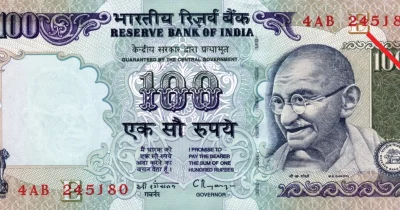
India is implementing a rescue package to address potential currency instability driven by capital outflows. While the measures may stabilize the rupee, they could simultaneously restrict liquidity in the financial system, which may redirect investment flows toward alternative assets including cryptocurrencies.
India faces mounting pressure on its currency as investors withdraw capital, prompting government intervention through a stabilization package. This scenario reflects broader macroeconomic challenges affecting emerging markets, where currency weakness often accelerates capital flight as investors seek safer havens. The rupee's vulnerability stems from external pressures including global interest rate differentials and shifting geopolitical risk assessments.
The broader context involves India's role as a major emerging economy with significant cryptocurrency adoption. Previous regulatory restrictions on crypto activity in India have been partially eased, and domestic demand for alternative assets remains substantial among retail investors concerned about currency depreciation. When traditional monetary policy tightens liquidity, investors historically explore decentralized finance and digital assets as alternative stores of value.
The rescue package's effectiveness depends on market confidence and the extent of liquidity constraints it introduces. Tighter domestic liquidity conditions typically push institutional and retail investors toward border-agnostic assets. For cryptocurrency markets, restricted rupee liquidity could paradoxically increase trading volume in crypto-to-fiat pairs as investors seek capital preservation mechanisms outside traditional banking channels.
Monitoring India's rupee performance and central bank liquidity measures will be crucial. If the rescue package fails to restore confidence, capital flight could accelerate, potentially benefiting crypto adoption as a hedge against currency depreciation. Conversely, successful stabilization would reduce the urgency for alternative asset allocation, moderating crypto demand surge from macroeconomic anxiety.
- →India's currency crisis and rescue package reflect broader emerging-market vulnerabilities to global capital flows.
- →Tightened liquidity from stabilization measures may redirect investment toward cryptocurrencies and digital assets.
- →The rupee's weakness could increase crypto-to-fiat trading activity as investors seek currency hedges.
- →Success or failure of the rescue package will determine whether crypto adoption accelerates as a capital preservation tool.
- →India's crypto regulatory environment and large retail investor base position digital assets to capture displaced capital flows.