
India protests to US after three sailors killed in tanker attack amid Iran oil blockade
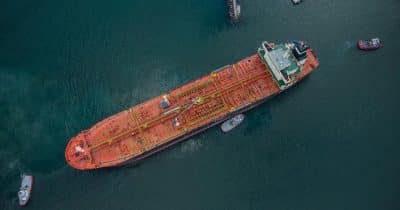
India has filed a formal protest with the United States following the deaths of three sailors in a tanker attack, occurring amid escalating US-Iran tensions and oil trade disruptions. The incident underscores geopolitical risks affecting global energy markets and international shipping routes, with potential implications for commodity prices and economic stability.
The attack on an Indian-flagged tanker resulting in three fatalities represents a critical escalation in maritime security concerns tied to US-Iran hostilities. The incident occurs against the backdrop of American economic sanctions targeting Iranian oil exports, which have created a volatile environment for neutral shipping operators navigating the Persian Gulf. India's formal protest signals growing frustration among non-aligned nations caught between superpower tensions, as their commercial interests and personnel face direct risks from geopolitical spillover.
The broader context reveals how sanctions regimes create unintended consequences beyond their intended targets. When oil trade routes become militarized zones, shipping companies face elevated insurance costs, route diversification expenses, and operational delays. These friction points cascade through energy markets, potentially driving oil price volatility that ripples across global economies and affects inflation expectations.
For cryptocurrency and blockchain markets, geopolitical oil disruptions typically correlate with macro uncertainty. Rising energy costs and economic instability traditionally drive investors toward alternative assets, including crypto, as hedges against currency devaluation and inflation. However, this particular incident also highlights infrastructure vulnerability in global trade, potentially increasing demand for blockchain-based supply chain transparency solutions and decentralized logistics platforms.
The situation warrants monitoring for escalation signals that could trigger broader market volatility. If tanker attacks intensify or major shipping insurers withdraw coverage from Persian Gulf routes, oil prices could spike significantly, forcing central banks to respond with tighter monetary policy—a scenario historically bearish for risk assets including cryptocurrencies.
- →Three sailors killed in tanker attack during US-Iran tensions signals elevated maritime security risks
- →India's formal protest reflects growing frustration among non-aligned nations affected by superpower conflicts
- →Geopolitical oil trade disruptions typically increase macro uncertainty and volatility across asset classes
- →Rising shipping costs and insurance premiums from militarized routes cascade through global commodity prices
- →Crypto markets may experience volatility if energy disruptions trigger central bank policy responses