
India resumes Mideast oil imports as Hormuz reopens, easing WTI price concerns
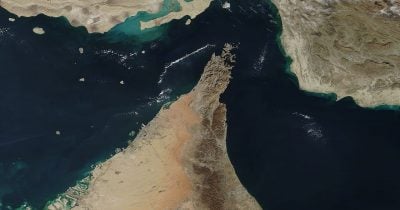
India has resumed importing oil from the Middle East following the reopening of the Strait of Hormuz, a critical global chokepoint. This development is expected to stabilize international oil markets by reducing geopolitical supply risks and potentially moderating WTI crude prices.
The reopening of the Strait of Hormuz marks a significant de-escalation in regional tensions that had threatened global energy security. This waterway handles roughly one-third of seaborne traded oil, making its accessibility crucial for price stability. India's resumption of Middle Eastern oil imports signals confidence that transit risks have diminished, allowing importers to normalize supply chains that may have been disrupted or rerouted during periods of heightened tension.
Historically, Hormuz closures or threats to closure trigger immediate oil price spikes as markets price in scarcity premiums. The geopolitical volatility surrounding the Strait has created persistent uncertainty for oil-importing nations, forcing them to maintain higher strategic reserves and accept elevated energy costs. India, as one of the world's largest oil consumers, plays a pivotal role in setting global crude demand patterns through its import decisions.
For cryptocurrency and decentralized finance markets, stable energy prices represent a macroeconomic anchor that reduces inflation expectations and eases central bank policy pressure. Elevated oil prices contribute to broader inflationary concerns, which has historically pressured crypto valuations as real yields turn negative. The potential WTI price moderation from Hormuz stability could ease some macroeconomic headwinds affecting risk assets.
Market participants should monitor whether this stability holds and if other major importers follow India's lead in increasing purchases. Sustained lower oil prices could support risk-on sentiment across cryptocurrencies, though the relationship remains indirect. Watch for OPEC+ responses, as coordinated production decisions may offset supply relief from normalized Hormuz transit.
- →Strait of Hormuz reopening reduces geopolitical oil supply risks and supports price stabilization
- →India's resumed Middle East imports signal declining regional tensions and improved market confidence
- →Lower or stable oil prices ease inflationary pressures that historically weigh on cryptocurrency markets
- →OPEC+ production decisions will determine whether supply relief translates to sustained price moderation
- →Energy cost stability supports macroeconomic conditions favorable for risk assets including crypto