
India welcomes US-Iran MOU to open Strait of Hormuz for energy security
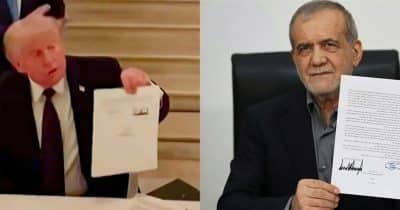
India has expressed support for a US-Iran Memorandum of Understanding aimed at reopening the Strait of Hormuz for international energy commerce. The agreement could stabilize global energy markets, reduce geopolitical tensions, and support regional economic development, with significant implications for oil pricing and energy security worldwide.
The US-Iran MOU represents a diplomatic shift with substantial ramifications for global energy infrastructure and geopolitical stability. The Strait of Hormuz, through which approximately 20-30% of global oil passes daily, has been a flashpoint for US-Iran tensions, particularly following the 2015 nuclear deal withdrawal and subsequent sanctions. This agreement signals potential de-escalation after years of escalating rhetoric and occasional military confrontations in the Persian Gulf.
India's endorsement carries weight given its substantial energy imports and economic reliance on stable Middle Eastern oil supplies. As a growing economic power and net energy importer, India benefits directly from reduced regional tensions and more predictable energy pricing. The country has historically balanced relationships between Western powers and Iran, making its support a meaningful indicator of broader international consensus.
For energy markets, stability in the Strait of Hormuz directly impacts crude oil prices and market volatility. Reduced geopolitical risk premiums could moderate energy costs globally, affecting inflation rates and central bank monetary policy decisions. This has indirect but meaningful consequences for cryptocurrency markets, which often move inversely to traditional risk assets and inflation expectations.
Looking forward, the durability of this agreement depends on domestic political changes in both the US and Iran. Implementation details regarding sanctions relief, inspection protocols, and maritime security remain unclear. Market participants should monitor whether this translates into tangible energy price stabilization or represents symbolic progress without substantive market impact.
- →US-Iran MOU aims to reopen Strait of Hormuz, critical for 20-30% of global oil transport
- →India's support signals broader international consensus on de-escalation in Persian Gulf tensions
- →Reduced energy market uncertainty could lower oil price volatility and inflation expectations
- →Agreement durability depends on political stability in both US and Iran administrations
- →Indirect implications for crypto markets through energy pricing and macroeconomic policy effects