
India and US aim to finalize first tranche of trade deal by mid-July
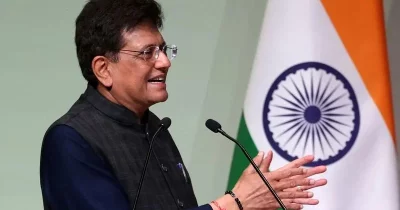
India and the US are targeting mid-July to complete the first phase of a bilateral trade agreement that could reshape economic relations between the two nations. The deal's finalization would strengthen bilateral ties and potentially establish a template for future trade negotiations in an evolving global economic landscape.
The India-US trade negotiations represent a significant development in reshaping bilateral economic relations between two major global economies. This agreement targets completion of its initial tranche by mid-July, signaling both nations' commitment to accelerating trade liberalization and deepening economic integration. The timing reflects strategic alignment on expanding market access across key sectors and reducing trade friction that has historically complicated their commercial relationship.
Geopolitically, this trade deal emerges within broader efforts to strengthen the India-US partnership as a counterbalance to shifting global power dynamics. Both nations recognize mutual benefits in deepening economic interdependence, particularly as supply chains diversify away from traditional manufacturing hubs. The agreement's phased approach allows negotiators to address contentious issues incrementally while demonstrating progress to domestic constituencies in both countries.
For market participants and investors, a finalized trade agreement could unlock opportunities across multiple sectors including technology, pharmaceuticals, agriculture, and manufacturing. Enhanced market access may benefit companies operating in both jurisdictions, potentially reducing tariff barriers and regulatory complexity. The precedent this deal establishes could influence how India structures future commercial agreements with other trading partners, particularly within the Indo-Pacific region.
Monitoring the July deadline becomes crucial for assessing negotiation progress and identifying which sectors receive priority treatment. Delays or complications could signal deeper disagreements on critical issues like intellectual property protection, agricultural subsidies, or digital commerce. The successful completion of this first tranche would likely catalyze discussions on deeper, more comprehensive trade arrangements.
- →India and US target mid-July completion of the first phase of a bilateral trade deal to enhance economic cooperation
- →The agreement could serve as a template for future trade negotiations and reshape global commercial dynamics
- →Multiple sectors including technology, pharmaceuticals, and manufacturing stand to benefit from reduced trade barriers
- →Phased negotiation approach allows both nations to address contentious issues while demonstrating measurable progress
- →Success could strengthen India-US partnership and influence broader Indo-Pacific trade relationships