
Ten Indian ships safely cross Strait of Hormuz amid tensions
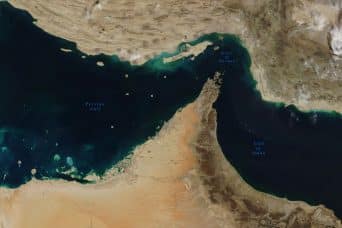
Ten Indian ships successfully transited the Strait of Hormuz amid regional tensions, demonstrating India's ability to maintain critical maritime trade routes. The safe passage underscores India's strategic positioning and potential diplomatic leverage in a geopolitically volatile region that controls roughly one-third of global seaborne oil trade.
The successful transit of ten Indian vessels through the Strait of Hormuz represents a significant demonstration of maritime continuity during a period of heightened regional instability. This passage carries strategic importance beyond the immediate shipments, as the Hormuz Strait serves as a critical chokepoint for global energy markets and international commerce. The corridor's security directly impacts oil prices, shipping insurance costs, and broader macroeconomic stability across developed and emerging markets.
Regional tensions have periodically threatened free passage through these waters, with various geopolitical actors using maritime chokepoints as leverage. India's successful navigation reflects coordinated efforts among naval and diplomatic channels to ensure uninterrupted trade flows. This capability becomes particularly relevant given India's growing economic influence and energy demands as a major global economy.
For cryptocurrency and decentralized finance markets, maritime security and oil price stability represent underlying macroeconomic variables that influence institutional risk appetite and capital allocation. Disruptions to global shipping and energy markets typically correlate with broader financial volatility and shifts in portfolio rebalancing, including cryptocurrency holdings used as inflation hedges or diversification assets. Stable transit through critical chokepoints reduces geopolitical risk premiums that can trigger cryptocurrency volatility.
Looking forward, sustained diplomatic success in maintaining maritime access becomes crucial for global economic resilience. Any future escalation threatening shipping lanes could trigger sharp commodity price movements and corresponding cryptocurrency market reactions as investors reassess inflation expectations and macroeconomic stability. Monitoring India's continued ability to secure safe passage provides an important indicator of regional stability and broader geopolitical risk assessment.
- →Ten Indian ships successfully crossed the Strait of Hormuz, demonstrating maintained maritime access despite regional tensions.
- →The Strait of Hormuz controls approximately one-third of global seaborne oil trade, making its security critical to energy markets.
- →Stable passage through critical chokepoints reduces geopolitical risk premiums that influence broader financial market volatility.
- →India's diplomatic and naval coordination reflects growing strategic importance in managing regional maritime security.
- →Geopolitical stability in shipping corridors indirectly affects cryptocurrency market behavior through oil price and inflation expectations.