
Interfold introduces CRISP for secure, privacy-preserving voting on blockchain
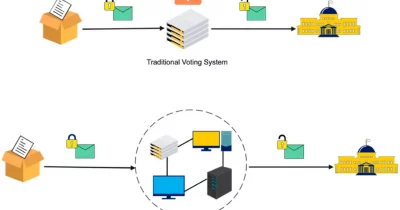
Interfold has introduced CRISP, a blockchain-based system designed to enable secure and privacy-preserving digital voting. The technology addresses longstanding concerns about transparency, security, and voter privacy in democratic processes, with potential applications extending globally across both traditional elections and decentralized governance systems.
Interfold's launch of CRISP represents a meaningful convergence of cryptographic innovation and governance infrastructure. The system tackles a fundamental challenge in modern democracy: enabling transparent, tamper-resistant voting mechanisms while protecting voter anonymity. Traditional voting systems struggle with either transparency or privacy; blockchain-based solutions like CRISP attempt to achieve both simultaneously through advanced cryptographic protocols.
The broader context reflects growing interest in decentralized governance solutions as blockchain adoption accelerates. Cryptocurrency projects increasingly require voting mechanisms for protocol upgrades and treasury decisions, while governments and institutions explore digital voting to improve election accessibility and security. CRISP's introduction aligns with this dual-track development, offering infrastructure suitable for both decentralized autonomous organizations (DAOs) and institutional voting scenarios.
For the industry, privacy-preserving voting mechanisms enhance the legitimacy and security of on-chain governance, potentially increasing institutional participation in blockchain ecosystems. Developers implementing CRISP gain access to robust voting infrastructure without building proprietary solutions. However, market impact remains limited until significant adoption emerges—regulatory frameworks governing blockchain-based voting remain underdeveloped in most jurisdictions.
The critical variables to monitor include regulatory responses from government bodies, adoption rates by major DAOs, and technical audits confirming the system's security claims. Success depends on Interfold's ability to demonstrate that CRISP maintains cryptographic integrity while remaining computationally efficient at scale. Institutional partnerships and integration with established blockchain platforms will be key indicators of whether this technology achieves meaningful market penetration or remains a niche solution.
- →CRISP combines blockchain transparency with cryptographic privacy for secure voting applications
- →The system addresses governance needs for both DAOs and institutional voting scenarios
- →Privacy-preserving voting infrastructure may accelerate institutional adoption of blockchain governance
- →Regulatory clarity and major platform integration will determine whether CRISP achieves mainstream adoption
- →Technical security audits and real-world deployment testing remain essential before widespread implementation