
Iran replenishing missile stockpiles faster than prewar levels: IRGC commander
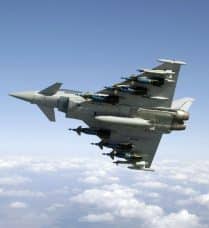
Iran's Islamic Revolutionary Guard Corps (IRGC) commander claims the nation is replenishing its missile stockpiles faster than prewar levels during the current ceasefire period. This accelerated military buildup could escalate regional tensions and reshape diplomatic negotiations in the Middle East.
Iran's reported acceleration of missile production during a ceasefire presents a significant geopolitical development with indirect implications for global markets. The IRGC's claim suggests Iran is using the diplomatic pause to strengthen its military position, potentially undermining ceasefire objectives and signaling confidence in weapons production capabilities. This pattern reflects a broader Middle Eastern strategy where military buildup occurs parallel to diplomatic engagement, creating unpredictable negotiation dynamics.
Historically, Iranian military expansion during truces has preceded escalations in regional conflicts. Previous rounds of tensions between Iran and neighboring states, including proxy conflicts and direct confrontations, have preceded commodity price volatility and energy market disruptions. The Middle East represents a critical global oil supply hub, and military tensions consistently trigger risk-premium adjustments in energy markets.
For cryptocurrency and financial markets, geopolitical crises involving major oil-producing regions typically drive macro uncertainty and capital reallocation. Risk-averse investors shift toward safe-haven assets, affecting crypto volatility and traditional equity markets. Energy-focused commodity traders monitor such developments closely, as military escalation can disrupt supply chains and trigger inflation concerns. Sanctions regimes, if reimposed following escalation, would further impact Iran-connected transactions and international financial flows.
Investors should monitor diplomatic channels and UN responses to verify claims and assess escalation probability. Watch for statements from regional actors like Israel, Saudi Arabia, and UAE, as these typically precede market movements. Energy price trends and USD strength often provide leading indicators for geopolitical risk repricing across asset classes.
- →Iran claims faster missile stockpile replenishment than prewar levels during an active ceasefire
- →Military buildup during diplomatic pauses historically precedes regional escalations and market volatility
- →Middle East tensions directly influence global oil markets and energy-linked asset prices
- →Geopolitical crises typically trigger capital rotation toward safe-haven assets and increase crypto volatility
- →Investors should monitor regional actors' responses and sanctions developments for market signals