
Iran accuses US of strikes during talks, military tensions rise
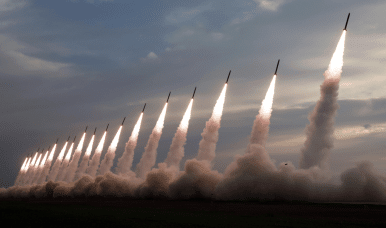
Iran has accused the United States of conducting military strikes while diplomatic negotiations were ongoing, escalating regional tensions and threatening to undermine future talks. The breakdown in US-Iran trust signals increased geopolitical instability that could have ripple effects on global markets, including cryptocurrency and energy sectors.
The accusation of US military action during active diplomatic negotiations represents a significant erosion of trust between two major regional powers. Such escalations typically occur when either party views negotiations as stalling or believes the other side is negotiating in bad faith. The timing of alleged strikes during talks suggests a calculated pressure tactic or miscommunication of intent, both of which damage the diplomatic process and increase the likelihood of uncontrolled military escalation.
This conflict reflects broader patterns of US-Iran tensions that have persisted since the 2015 nuclear deal withdrawal and subsequent sanctions reimposition. Regional instability in the Middle East has historically correlated with energy price volatility and broader macroeconomic uncertainty. Cryptocurrency markets, particularly Bitcoin and other assets viewed as inflation hedges or geopolitical safe havens, often respond to Middle Eastern tensions as investors seek alternative stores of value away from traditional markets affected by potential supply chain disruptions.
For crypto investors and traders, escalating military tensions create macroeconomic headwinds that typically strengthen risk-off sentiment. However, the specific impact depends on whether tensions escalate further or stabilize. Energy markets may experience price spikes, potentially triggering inflation concerns that could influence central bank policy and crypto valuations. Blockchain-based platforms and decentralized finance applications see increased user interest during periods of geopolitical uncertainty when individuals seek to move assets outside traditional financial systems.
Monitoring this situation requires tracking both direct military developments and indirect economic indicators. Investors should watch for signals of de-escalation or further escalation, energy price movements, and statements from international mediators attempting to restore diplomatic channels.
- →Military strikes during diplomatic talks destroy trust and increase uncontrolled escalation risks in the Middle East.
- →Regional instability historically correlates with energy market volatility and broader macroeconomic uncertainty.
- →Geopolitical tensions often strengthen demand for cryptocurrencies as alternative value stores during risk-off periods.
- →The conflict's impact on crypto markets depends on whether tensions escalate further or diplomatic channels reopen.
- →Investors should monitor energy prices and international mediation efforts as leading indicators of market direction.