
Iran calls US actions against vessels ‘piracy and state terrorism’
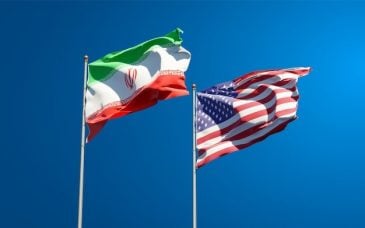
Iran has accused the United States of committing 'piracy and state terrorism' through actions against Iranian vessels, escalating diplomatic tensions in the region. This rhetorical escalation could complicate ongoing diplomatic efforts and destabilize the geopolitical landscape, with potential ripple effects on global markets and energy security.
Iran's formal accusation against the US represents a significant rhetorical escalation in ongoing tensions between the two nations. The allegation of state-sponsored piracy and terrorism indicates hardening positions on both sides, suggesting that diplomatic channels may face additional strain in the coming months. This type of confrontational language typically precedes further retaliatory measures or sanctions, which historically create market volatility.
The context here involves longstanding US-Iran hostilities, including previous sanctions regimes, naval confrontations in the Persian Gulf, and disputes over maritime rights. Iran has consistently protested what it views as unlawful interference with its shipping operations, while the US maintains its actions are lawful enforcement of international regulations and sanctions compliance. These competing narratives reflect fundamental disagreements about legitimate authority in international waters.
For investors and market participants, escalating US-Iran tensions directly impact energy markets, particularly crude oil pricing, given Iran's significance as an oil producer and the Strait of Hormuz's critical role in global energy transit. Cryptocurrency markets may experience increased volatility during geopolitical crises as investors seek safe-haven assets. Additionally, sanctions-related developments could restrict certain financial activities and trading corridors.
Monitoring upcoming diplomatic statements, potential UN responses, and any new sanctions announcements becomes essential. Traders should watch crude oil futures and broader macro indicators for signs of market stress. Further naval incidents or military escalation could trigger sustained volatility across asset classes.
- →Iran formally accused the US of piracy and state terrorism regarding vessel interceptions, escalating bilateral tensions.
- →The rhetoric suggests hardening diplomatic positions that could complicate negotiation efforts and regional stability.
- →Energy markets, particularly crude oil, face potential volatility given Iran's oil production significance and geopolitical risk.
- →Cryptocurrency markets may experience increased volatility as investors respond to geopolitical uncertainty and safe-haven demand.
- →Ongoing developments could lead to new sanctions or restrictions affecting financial operations and trading corridors.