
Iranian parliament set to approve bill asserting sovereignty over Strait of Hormuz
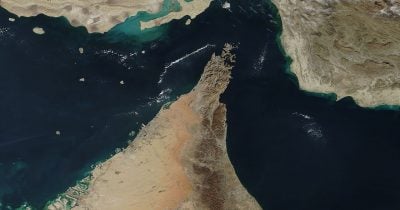
Iran's parliament is moving to approve legislation asserting sovereignty over the Strait of Hormuz, a critical waterway for global oil transit. This geopolitical development could disrupt energy markets, elevate international tensions, and potentially accelerate cryptocurrency adoption as an alternative settlement mechanism for trade outside traditional financial systems.
Iran's assertion of sovereignty over the Strait of Hormuz represents a significant escalation in regional geopolitical tensions. The Strait remains one of the world's most strategically important chokepoints, with approximately 20% of global petroleum passing through its waters annually. Parliamentary approval of such legislation signals Iran's willingness to challenge existing international maritime frameworks, potentially creating supply chain uncertainties that ripple across global energy markets.
This move reflects decades of friction over maritime rights and Western naval presence in the Persian Gulf. Iran has periodically threatened to restrict passage through the Strait, particularly during periods of elevated US-Iran tensions. The current legislative push coincides with broader regional instability and ongoing sanctions pressure on Iran's economy, which has intensified interest in alternative financial mechanisms.
Cryptocurrency markets could experience notable volatility from multiple angles. Traditional oil price spikes from supply concerns typically precede flight-to-safety dynamics that affect risk assets, including crypto. However, the article suggests a secondary effect: heightened geopolitical fragmentation and sanctions regimes may drive adoption of decentralized, censorship-resistant payment rails. Iran and other sanctioned entities have historically explored crypto to circumvent financial restrictions.
Market participants should monitor shipping insurance premiums, crude oil futures, and broader energy sector volatility as immediate indicators of escalation severity. A genuine blockade scenario would create structural demand for off-chain settlement mechanisms, fundamentally altering crypto's utility narrative from speculative asset to essential infrastructure. The coming weeks will clarify whether this represents legislative posturing or genuine policy implementation.
- →Iran's parliament advancing Strait of Hormuz sovereignty legislation threatens 20% of global oil transit capacity
- →Geopolitical escalation typically triggers oil price spikes that correlate with crypto market volatility and risk-off sentiment
- →Sanctioned nations may increase cryptocurrency adoption for trade settlement outside Western-controlled financial infrastructure
- →Shipping costs and energy prices will serve as early indicators of implementation severity and market impact
- →Decentralized payment mechanisms gain strategic relevance during periods of financial fragmentation and international sanctions