
Iran faces asset freezes, military setbacks amid Gulf tensions
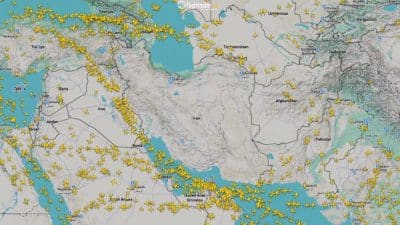
Iran faces intensifying international asset freezes and military setbacks amid escalating Gulf tensions, with analysts projecting potential geopolitical instability and leadership transitions by 2026. These developments could reshape regional dynamics and have ripple effects across global markets, including cryptocurrency and energy sectors.
Iran's mounting isolation through asset freezes represents a significant escalation in international economic pressure, combining financial sanctions with military vulnerabilities to create compound instability. This convergence of economic and security challenges typically precedes major geopolitical shifts, as governments seek alternative financial mechanisms and markets price in heightened regional risk premiums.
Historically, nations facing coordinated sanctions regimes have explored cryptocurrency and decentralized finance infrastructure to circumvent traditional banking restrictions. Iran has previously investigated blockchain-based solutions and peer-to-peer payment networks when conventional channels were constrained. The asset freezes intensify these incentives, potentially driving institutional interest in non-traditional financial rails among Iranian entities and their trading partners.
For cryptocurrency markets, sustained geopolitical tension in the Middle East traditionally correlates with volatility across energy-linked assets and safe-haven demand. Bitcoin and stablecoins may see increased adoption in sanctioned jurisdictions as capital preservation tools. However, the broader market impact depends on whether tensions escalate militarily or stabilize through diplomatic channels.
The projected leadership changes by 2026 suggest a multi-year transition period with significant uncertainty. Investors should monitor regional military escalations, SWIFT transaction patterns for Iranian entities, and any regulatory responses from Western governments regarding crypto sanctions enforcement. The intersection of geopolitical instability and financial innovation creates both risks and opportunities in emerging markets and alternative finance sectors.
- →Iran's asset freezes and military setbacks create conditions favoring cryptocurrency adoption as alternative financial infrastructure.
- →Geopolitical instability in the Gulf region typically increases volatility in energy markets and safe-haven asset demand.
- →Projected leadership changes by 2026 suggest extended uncertainty that could reshape regional and global trade patterns.
- →Sanctioned nations often accelerate exploration of blockchain-based solutions to circumvent traditional banking restrictions.
- →Investors should monitor military escalation developments and regulatory responses to crypto sanctions enforcement.