
Iran demands asset release, no ceasefire extension deal reached
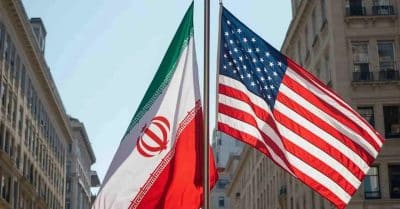
Iran has demanded the release of frozen assets while ceasefire extension negotiations have stalled, creating geopolitical uncertainty that affects nuclear deal-related markets and sanctions dynamics. The impasse signals deteriorating diplomatic progress and potential volatility in commodities and currency markets sensitive to Middle Eastern tensions.
The breakdown in ceasefire negotiations combined with Iran's escalating demands for asset release represents a critical juncture in Middle Eastern geopolitics with broader economic implications. Iran's insistence on unfreezing assets—likely referring to funds locked under international sanctions—suggests hardening positions on both sides, making near-term diplomatic resolution unlikely. This stalemate reflects the fundamental disagreement over sequencing: Iran prioritizes immediate financial relief, while negotiating partners condition asset release on verifiable commitments.
Historically, similar impasses have preceded increased regional tensions and sanctions escalation. Previous nuclear deal negotiations demonstrated how frozen assets become leverage points in broader diplomatic struggles. The current deadlock echoes patterns from 2017-2021 when the JCPOA faced repeated crises. International sanctions on Iran have periodically frozen billions in assets across global banking systems, creating sustained economic pressure on the Iranian economy.
For financial markets, extended uncertainty typically increases volatility in oil prices, emerging market currencies, and gold—traditional safe-haven assets during geopolitical crises. Cryptocurrency markets, particularly those denominated in currencies affected by sanctions or regional instability, may experience indirect effects through broader macro risk sentiment. Investors in commodities and emerging markets face heightened uncertainty premiums.
The path forward depends on whether negotiators find face-saving compromises on asset release sequencing and verification mechanisms. Observers should monitor multilateral mediator statements, Iranian domestic political signals, and any shifts in international coalition coherence. Prolonged stalemate increases risks of unilateral actions by any party, potentially escalating tensions beyond diplomatic channels.
- →Iran's asset release demand signals hardening negotiating positions and reduced diplomatic momentum
- →Failed ceasefire extension talks increase geopolitical uncertainty affecting commodity and currency markets
- →Frozen Iranian assets remain contentious leverage points in broader sanctions and diplomatic negotiations
- →Extended impasse historically precedes increased regional tensions and potential sanctions escalation
- →Macro markets including oil, gold, and emerging currencies face elevated volatility risks