
Iran strikes Singaporean cargo ship in Strait of Hormuz, rattling global shipping markets
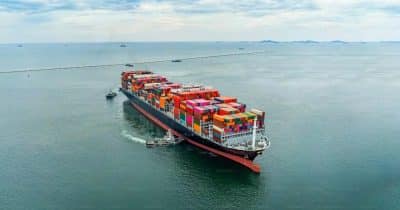
Iran attacked a Singaporean cargo ship in the Strait of Hormuz, escalating geopolitical tensions in a critical global shipping corridor. The incident threatens to disrupt international trade flows and increase shipping costs, creating uncertainty across global markets including cryptocurrency and traditional assets.
The attack on a commercial vessel in the Strait of Hormuz represents a significant escalation in regional tensions, with direct implications for global supply chains and asset prices. The Strait serves as one of the world's most critical chokepoints for energy and goods transport, with roughly one-third of global maritime trade passing through its waters. Any disruption to shipping in this region immediately reverberates through commodity markets, inflation expectations, and risk sentiment across financial systems.
This incident follows a broader pattern of escalating tensions in the Middle East, where geopolitical rivalries have repeatedly threatened maritime commerce. Previous attacks on shipping in this region have historically triggered immediate commodity price spikes, particularly in oil and natural gas markets. The uncertainty surrounding future attacks creates a risk premium that persists until tensions stabilize or de-escalate.
For cryptocurrency markets, geopolitical risk typically drives investors toward non-correlated assets or perceived safe havens. Bitcoin and other digital assets often benefit from increased macro uncertainty, supply chain concerns, and potential currency debasement as governments respond to economic disruption. However, the immediate effect depends on whether markets perceive this as a localized incident or the beginning of broader conflict that could freeze global credit markets.
Looking forward, investors should monitor shipping insurance premiums, energy futures, and central bank commentary on inflation risks. Any additional attacks or military escalation could trigger broader market contagion, making this incident a critical inflection point for risk asset allocation across both traditional and crypto portfolios.
- →Iran's attack on a cargo ship in the Strait of Hormuz threatens one-third of global maritime trade passing through this critical chokepoint.
- →Geopolitical disruptions to shipping typically trigger immediate oil price spikes and elevated inflation expectations across markets.
- →Cryptocurrency markets may benefit from macro uncertainty and safe-haven demand as investors diversify away from traditional assets.
- →Shipping insurance costs will likely increase, raising operational expenses and supply chain costs globally.
- →Further escalation could trigger broader market contagion and credit market stress, requiring close monitoring of geopolitical developments.