
Iran attacks Indian tankers, disrupting Strait of Hormuz shipping
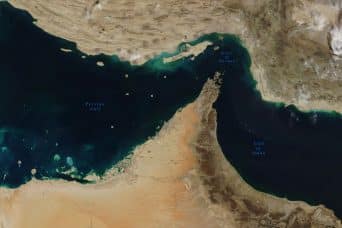
Iran has attacked Indian tankers in the Strait of Hormuz, a critical chokepoint for global oil shipping that handles approximately 20% of world petroleum trade. This escalation heightens geopolitical tensions and threatens oil supply stability, potentially triggering increased market volatility across commodities and risk assets including cryptocurrencies.
The attack on Indian tankers represents a significant escalation in Middle Eastern tensions centered on the Strait of Hormuz, one of the world's most strategically important waterways. This incident directly threatens the physical infrastructure underpinning global energy markets, with immediate implications for oil pricing and broader macroeconomic stability. The disruption of shipping through this corridor affects not just petroleum flows but also reverberates through financial markets as investors reassess geopolitical risk premiums.
These tensions reflect longstanding hostilities between Iran and Western-aligned nations, compounded by sanctions regimes and regional proxy conflicts. Recent months have seen periodic attacks on commercial vessels, creating a pattern of instability that elevates shipping insurance costs and complicates energy supply chains. The targeting of Indian tankers specifically suggests expanding scope beyond previous incidents.
For cryptocurrency and digital asset markets, geopolitical crises typically drive flight-to-safety behavior and inflation hedging demand. Oil price spikes resulting from supply disruptions increase inflationary pressures, which historically benefit commodities and hard assets like Bitcoin while pressuring equities and risk assets. Traders often view crypto as a hedge against geopolitical uncertainty and currency debasement. However, if the crisis triggers broader market selloffs and deleveraging, cryptocurrencies may initially decline alongside equities before recovering as safe-haven demand materializes.
Investors should monitor escalation indicators including additional attacks, shipping insurance rates, oil futures pricing, and official statements from key stakeholders. Any broadening of the conflict or disruption of major oil terminals could precipitate significant market reactions across all asset classes.
- →Iran's attack on Indian tankers disrupts shipping through the Strait of Hormuz, affecting roughly 20% of global petroleum trade.
- →Geopolitical escalation typically increases oil prices, driving inflation hedging demand that benefits commodities and potentially cryptocurrency.
- →Shipping insurance costs rise during periods of heightened regional instability, cascading through energy supply chains.
- →Cryptocurrency markets may experience initial volatility from broader market selloffs before recovering as safe-haven demand emerges.
- →Investors should track escalation indicators including additional attacks, oil futures, and statements from major energy-consuming nations.