
Iran launches attacks on US military bases in Kuwait, Bahrain, and Jordan as crypto markets shed $80 billion
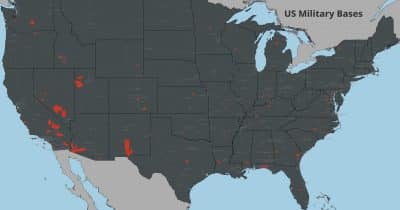
Iran's military attacks on US bases across Kuwait, Bahrain, and Jordan have triggered an $80 billion selloff in cryptocurrency markets as investors flee to traditional safe-haven assets. The escalation reflects rising geopolitical tensions that disrupt global energy markets and increase macroeconomic uncertainty, pressuring risk assets including digital currencies.
Iran's coordinated military strikes against US installations represent a significant escalation in Middle Eastern tensions, directly impacting risk sentiment across global markets. The attacks create immediate uncertainty regarding energy supply disruptions—critical given the region's pivotal role in global oil production. This geopolitical shock reverberates through financial markets as investors systematically de-risk from volatile assets, with cryptocurrencies experiencing outsized selling pressure relative to their market capitalization.
Historically, regional conflicts and military escalations have created bifurcated market dynamics: traditional safe havens like US Treasury bonds, gold, and the US dollar strengthen while risk assets weaken. The $80 billion crypto selloff reflects this pattern, though the scale suggests panic selling rather than measured reallocation. The crypto market's heightened sensitivity to geopolitical events demonstrates its continued maturation toward broader macro correlations, though it remains vulnerable to sentiment swings during uncertainty spikes.
Investors face compounded risks from both direct energy price pressures—which could fuel inflation concerns—and indirect effects through reduced risk appetite across emerging asset classes. The concurrent strengthening of traditional safe havens underscores cryptocurrency's incomplete transition to non-correlated portfolio diversification. For crypto market participants, the selling represents both immediate volatility risk and potential long-term concerns if escalation persists, potentially extending periods of reduced institutional capital inflows.
Market watchers should monitor diplomatic developments, energy futures pricing, and broader macro indicators to assess whether tensions stabilize or intensify, as each outcome carries distinct implications for risk asset recovery timelines.
- →Iran's military attacks on US bases triggered an $80 billion cryptocurrency market selloff as investors fled to traditional safe havens.
- →Geopolitical escalation creates dual concerns: direct energy market disruption and broader macroeconomic uncertainty affecting risk asset valuations.
- →Crypto's sensitivity to geopolitical shocks demonstrates increasing correlation with macro events rather than functioning as uncorrelated diversification.
- →Traditional safe havens including US Treasuries and gold strengthened simultaneously with crypto weakness, reflecting classic risk-off market dynamics.
- →Escalation trajectory remains critical for crypto recovery; sustained tensions could extend institutional capital outflows from digital assets.