
Iran launches large-scale attacks on US forces in Kuwait and Bahrain
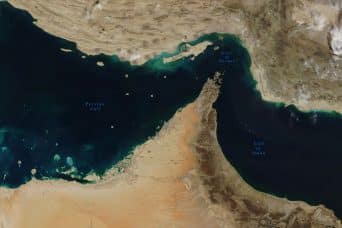
Iran has launched large-scale military attacks against US forces stationed in Kuwait and Bahrain, marking a significant escalation in regional tensions. This military action threatens to destabilize global energy markets, trigger broader armed conflict, and damage international diplomatic efforts, with potential ripple effects across financial markets including cryptocurrency.
The Iranian military escalation against US assets in the Middle East represents a critical geopolitical flashpoint with far-reaching economic consequences. This direct attack on American military installations signals a dangerous deterioration in US-Iran relations and suggests regional tensions have moved beyond diplomatic posturing into kinetic conflict. The timing and scale of these strikes indicate deliberate strategic action rather than isolated incidents, raising concerns about further military responses and counter-escalation cycles.
This escalation emerges from longstanding tensions rooted in US Middle East policy, regional proxy conflicts, and recent diplomatic breakdowns. The Middle East has been a zone of increasing instability, with various actors competing for influence across Iraq, Syria, Yemen, and the broader Gulf region. Iran's direct targeting of US military personnel marks a notable shift from indirect action through proxies, suggesting either domestic political pressure or calculation that deterrence requires visible force projection.
For cryptocurrency and financial markets, regional instability triggers predictable patterns: flight-to-safety asset demand increases, oil prices spike due to supply chain disruption risks, and traditional safe-haven assets like gold strengthen. Bitcoin and crypto markets often experience volatility during geopolitical crises, with investors rotating between risk-on and risk-off positioning. Energy price shocks ripple through global inflation expectations and central bank policy considerations, indirectly affecting cryptocurrency valuations through macro conditions.
Market participants should monitor escalation indicators closely, including potential US military responses, international coalition positioning, and energy market price movements. Sustained conflict could justify oil price increases that dampen global growth and shift investor sentiment toward defensive assets and away from speculative crypto positions.
- →Iran's direct military strikes on US forces represent a significant escalation from proxy-based regional conflicts to direct interstate military action.
- →Middle East instability historically drives oil price spikes, which influence global inflation expectations and central bank monetary policy affecting all asset classes.
- →Cryptocurrency markets typically experience volatility during geopolitical crises as investors reassess risk exposure and safe-haven positioning.
- →Energy market disruption risks from escalating conflict could reduce global growth forecasts and reduce appetite for speculative assets like crypto.
- →Further military responses or counter-escalation could trigger broader regional conflict with unpredictable consequences for global financial stability.