
China urges swift reopening of Strait of Hormuz as Iran reportedly accepted Bitcoin for transit fees
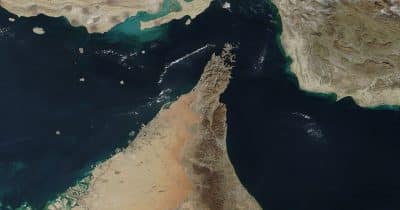
China has called for the swift reopening of the Strait of Hormuz amid reports that Iran accepted Bitcoin for transit fees, signaling cryptocurrency's emerging role in geopolitical transactions and international trade. The development reflects how digital assets are being deployed to circumvent traditional financial systems amid global tensions.
The reported acceptance of Bitcoin for Strait of Hormuz transit fees represents a significant intersection of geopolitical strategy and cryptocurrency adoption. Iran's potential use of Bitcoin as a payment mechanism addresses a critical vulnerability: traditional banking sanctions severely restrict its ability to conduct international transactions. By accepting crypto, Iran can facilitate trade while avoiding conventional financial rails that hostile nations can monitor or block. This demonstrates how cryptocurrency transcends its original purpose as a peer-to-peer currency to function as a geopolitical tool for sanctioned entities.
The Strait of Hormuz closure directly impacts global oil markets, with approximately 20-30% of world petroleum flowing through this critical chokepoint. China's emphasis on reopening the strait reflects legitimate economic concerns about energy security and price stability. However, the intersection with Bitcoin acceptance adds complexity: it signals Iran's integration into crypto payment infrastructure and suggests other sanctioned nations may follow similar paths.
For cryptocurrency markets, this development carries dual implications. It validates crypto's utility in circumventing sanctions and demonstrates real-world demand from nation-states, potentially increasing institutional adoption. Conversely, it may accelerate regulatory scrutiny as governments recognize crypto's role in sanctions evasion. The incident underscores how geopolitical friction drives cryptocurrency utility while simultaneously increasing pressure for regulatory frameworks.
Market participants should monitor whether other sanctioned entities adopt similar payment mechanisms and how Western nations respond with enhanced crypto regulation. The convergence of energy markets, geopolitics, and cryptocurrency creates unpredictable volatility across multiple asset classes.
- →Iran's reported Bitcoin acceptance for Strait of Hormuz transit fees demonstrates cryptocurrency's role in circumventing sanctions and traditional banking restrictions.
- →The closure directly impacts global oil markets, with China's urgency reflecting genuine energy security concerns affecting crypto-correlated macro markets.
- →Crypto adoption by sanctioned nation-states may accelerate both institutional demand and regulatory crackdowns simultaneously.
- →The incident validates cryptocurrency's utility for geopolitical actors while increasing government pressure for enhanced compliance frameworks.
- →Energy market volatility from Strait of Hormuz tensions creates indirect impacts on crypto markets through macro correlations and risk sentiment shifts.