
IRGC confirms no commercial transit through Hormuz amid ongoing blockade
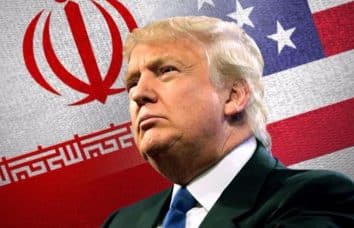
Iran's Islamic Revolutionary Guard Corps (IRGC) has confirmed a blockade preventing commercial transit through the Strait of Hormuz, a critical chokepoint controlling roughly 20% of global oil supply. The blockade intensifies regional geopolitical tensions and threatens to disrupt global energy markets while complicating diplomatic negotiations between the United States and Iran.
The IRGC's confirmation of a Hormuz blockade represents a significant escalation in regional tensions with far-reaching implications for global energy markets and cryptocurrency valuations. The Strait of Hormuz serves as one of the world's most strategically important waterways, with approximately 21 million barrels of crude oil transiting daily. Any disruption to this passage directly impacts global oil supply, creating immediate pressure on energy prices and broader macroeconomic stability.
This blockade emerges from escalating US-Iran tensions rooted in decades of geopolitical friction. Recent sanctions regimes, military posturing, and nuclear negotiations have created an environment where Iran utilizes maritime chokepoints as leverage. The blockade signals Iran's willingness to weaponize critical infrastructure during diplomatic standoffs, a tactic previously threatened but now actively implemented.
Cryptocurrency markets exhibit sensitivity to energy-related geopolitical events due to their impact on inflation expectations and risk sentiment. Higher oil prices typically correlate with increased inflation concerns, potentially prompting central banks to maintain hawkish monetary policies that suppress asset valuations across risk categories, including digital assets. Bitcoin and altcoins often decline during periods of elevated geopolitical risk as investors rotate toward safe-haven assets.
Looking ahead, the sustainability of this blockade remains uncertain. Historical precedent suggests such blockades either escalate into military confrontation or dissolve through diplomatic channels. The coming weeks will prove critical—sustained blockades could trigger oil price spikes exceeding $100 per barrel, while rapid resolution would likely stabilize energy markets and reduce downside pressure on risk assets including cryptocurrencies.
- →Iran's IRGC confirms active blockade of Strait of Hormuz, threatening 21 million daily barrels of oil transit
- →Disruptions to global oil supply typically elevate inflation expectations and reduce appetite for risk assets like cryptocurrencies
- →Blockade complicates ongoing US-Iran diplomatic efforts and signals escalating regional military tensions
- →Oil price spikes resulting from sustained blockades could exceed $100 per barrel, impacting macro conditions
- →Crypto markets face potential headwinds from elevated geopolitical risk premiums and hawkish central bank responses