
Iran restricts Strait of Hormuz traffic amid US naval blockade
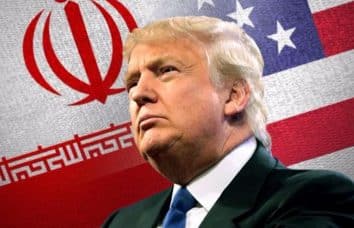
Iran has restricted traffic through the Strait of Hormuz in response to US naval operations, escalating regional tensions and raising geopolitical risks. The move threatens stability in one of the world's most critical energy chokepoints, with potential implications for global markets including cryptocurrency and commodities.
Iran's restriction of Strait of Hormuz traffic represents a significant escalation in US-Iran tensions, directly challenging freedom of navigation in a waterway through which approximately 20% of global petroleum passes. This action signals deepening hostilities beyond diplomatic channels and suggests willingness to weaponize critical infrastructure. The move reflects years of escalating sanctions, the US withdrawal from the JCPOA, and repeated military posturing in the Persian Gulf, creating a cycle of tit-for-tat provocations with decreasing margins for de-escalation.
Historically, geopolitical crises in the Middle East create volatility across all asset classes. Energy price spikes typically follow threats to Hormuz transit, which ripple through inflation expectations and central bank policy. For cryptocurrency markets, geopolitical uncertainty traditionally correlates with capital flight to perceived safe havens—though Bitcoin's relationship with macro risk factors remains debated. Investors monitor crude oil futures closely as a leading indicator; sustained price elevation increases systemic risk and potentially triggers broader market corrections.
The cryptocurrency sector faces indirect exposure through macro volatility. Higher energy costs affect mining profitability, particularly proof-of-work networks sensitive to electricity expenses. Institutional investors may reduce risk appetite across all assets if regional conflict escalates into actual military engagement, potentially suppressing demand for speculative assets including crypto. Conversely, some market participants view geopolitical risk as supporting gold and Bitcoin's portfolio hedge thesis.
Market participants should monitor official statements from Iran and the US, shipping insurance premium movements, and crude oil price action as leading indicators of escalation severity. Sustained Hormuz disruption would materially impact global economic growth expectations and central bank tightening cycles.
- →Iran's Strait of Hormuz restrictions escalate US-Iran tensions beyond diplomatic resolution, threatening one of the world's most critical energy transit routes.
- →Geopolitical crises in the Middle East historically trigger broad market volatility affecting commodities, equities, and alternative assets including cryptocurrency.
- →Higher energy costs from potential supply disruptions reduce mining profitability for proof-of-work cryptocurrencies and increase systemic economic risk.
- →Shipping insurance costs and crude oil futures serve as leading indicators for assessing escalation severity and potential market impact.
- →Institutional investors may reduce risk appetite across speculative assets if military engagement materializes, suppressing cryptocurrency demand.