
Iran denies IAEA access to nuclear sites, complicating US deal talks
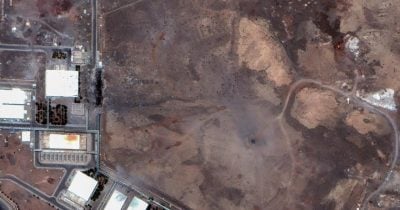
Iran has denied International Atomic Energy Agency (IAEA) inspectors access to its nuclear sites, escalating tensions in ongoing nuclear deal negotiations with the United States. This refusal threatens to derail diplomatic efforts and increases geopolitical instability risks with potential ripple effects across global markets, including cryptocurrency and energy sectors.
Iran's denial of IAEA access represents a critical escalation in nuclear diplomacy that extends beyond traditional geopolitical concerns. The move signals Iran's willingness to defy international oversight mechanisms, fundamentally undermining the verification frameworks essential to any nuclear agreement. This development occurs within a broader pattern of deteriorating US-Iran relations and highlights the fragility of multilateral agreements in the current geopolitical climate.
Historically, IAEA access has been a cornerstone of nuclear non-proliferation efforts. Iran's previous compliance with inspection protocols, despite periodic tensions, was viewed as a stabilizing factor following the 2015 Joint Comprehensive Plan of Action (JCPOA). The current refusal suggests either a strategic shift toward nuclear advancement or a negotiating tactic designed to increase leverage. Either interpretation carries significant implications for regional stability and international security frameworks.
For cryptocurrency and financial markets, geopolitical crises involving nuclear tensions traditionally trigger risk-off sentiment, strengthening safe-haven assets like gold and US Treasury bonds while pressuring risk assets. Cryptocurrency markets, sensitive to macroeconomic uncertainty and sanctions-related developments, could experience volatility if tensions escalate further. Energy markets face particular exposure given Iran's role in global oil supply, with potential price impacts affecting inflation expectations and central bank policy decisions that indirectly influence digital asset valuations.
Market participants should monitor diplomatic developments closely, as sudden escalations could trigger broader risk asset repricing. Sanctions escalation would particularly impact cryptocurrency markets in Iran and globally, while broader conflict risks would reshape portfolio allocations toward defensive positioning.
- →Iran's IAEA access denial escalates nuclear tensions and threatens US deal negotiations with potential geopolitical consequences
- →Geopolitical crises typically trigger risk-off sentiment affecting cryptocurrency and equity markets negatively
- →Energy market disruption risks from Iran tensions could influence oil prices and inflation expectations affecting crypto valuations
- →Cryptocurrency traders should monitor sanctions developments as they directly impact digital asset accessibility in sanctioned jurisdictions
- →Nuclear diplomacy failures historically precede volatility spikes in risk assets including digital currencies