
Iran weaponizes Strait of Hormuz, blocking shipping traffic amid tensions
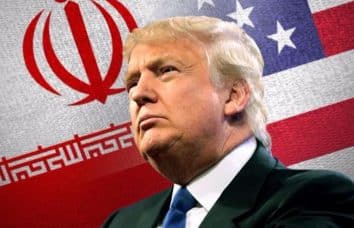
Iran has escalated tensions by blocking shipping traffic through the Strait of Hormuz, a critical chokepoint for global energy markets. This geopolitical action threatens diplomatic resolution and disrupts international trade flows, with potential ripple effects across commodity prices and risk assets.
Iran's blockade of the Strait of Hormuz represents a significant escalation in regional tensions with far-reaching economic consequences. The strait serves as a vital corridor for approximately 20-30% of global oil shipments, making any disruption an immediate concern for energy-dependent economies worldwide. This action signals a breakdown in diplomatic channels and suggests Iran is willing to weaponize infrastructure to advance its strategic interests.
Historically, threats to Hormuz have triggered volatile market reactions. Previous incidents, including tanker seizures and drone attacks, have spiked oil prices and created uncertainty across equities and risk assets. Current geopolitical friction stems from longstanding sanctions, regional proxy conflicts, and unresolved nuclear negotiations. Iran's move demonstrates a pattern of escalation when diplomatic pressure mounts.
For cryptocurrency and digital asset markets, geopolitical crises typically trigger flight-to-safety dynamics. Bitcoin and other assets often benefit from inflation hedging concerns as oil price spikes feed into broader macroeconomic uncertainty. However, sustained shipping disruptions could dampen global economic growth, potentially weakening speculative asset demand. Investors should monitor oil futures and USD strength as leading indicators of broader market stress.
Key developments to watch include whether other regional powers intervene, shipping insurance premiums, and official statements from major oil consumers like the EU, US, and China. Any actual supply disruption would force swift international response, potentially including military presence or diplomatic negotiations. Market volatility around energy and risk assets will likely intensify if tensions remain unresolved.
- →Iran's Strait of Hormuz blockade threatens 20-30% of global oil shipments, creating immediate energy market disruption risk.
- →Geopolitical crises historically drive Bitcoin and risk assets higher as investors seek inflation hedges and alternative stores of value.
- →Oil price volatility from shipping disruptions could impact cryptocurrency mining costs and broader market sentiment.
- →Sustained tensions may trigger flight-to-safety dynamics, benefiting defensive assets while pressuring growth-dependent sectors.
- →Market participants should monitor shipping insurance premiums and official sanctions responses as leading indicators of escalation.