
Iran blocks key straits, plans strikes on Gulf energy sites
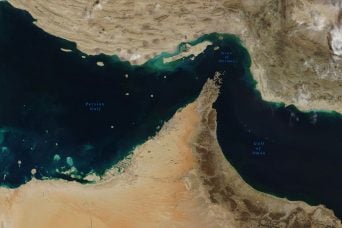
Iran has blocked key straits and signaled plans to strike Gulf energy infrastructure, escalating regional tensions. This geopolitical crisis threatens global oil supply disruptions and economic instability, creating indirect pressure on risk assets including cryptocurrencies that respond to macro volatility.
Iran's blockade of critical shipping straits and threatened strikes on Gulf energy facilities represent a significant escalation in Middle Eastern tensions. The Strait of Hormuz handles roughly 20-30% of global oil trade, making any disruption a systemic risk event. This action follows broader regional friction and signals Iran's willingness to weaponize energy infrastructure as political leverage, directly threatening global energy markets already stressed by supply constraints.
Historically, geopolitical events in the Gulf have triggered oil price spikes and broader market volatility. The 1973 oil embargo, Gulf Wars, and recent tensions have demonstrated how regional instability cascades into global economic consequences. Iran's current posture reflects ongoing friction with regional adversaries and international powers, setting the stage for potential escalation if diplomatic channels fail.
For cryptocurrency and traditional markets, geopolitical crises typically drive risk-off sentiment, benefiting safe-haven assets like gold and bonds while pressuring equities and risk assets. Bitcoin's relationship to macro volatility remains complex—some view it as digital gold during crises, while others see it as a risk asset that sells off during economic uncertainty. Oil price spikes would increase inflation concerns, potentially complicating central bank policy and affecting broader portfolio allocations.
Investors should monitor whether Iran follows through on threatened strikes and how international powers respond diplomatically. Escalation could trigger coordinated energy market interventions, while de-escalation would likely ease risk premiums. The coming weeks will reveal whether this represents posturing or genuine military intention, fundamentally shaping macro asset performance.
- →Iran's strait blockade and energy infrastructure threats risk disrupting 20-30% of global oil trade.
- →Historical precedent shows Middle East geopolitical crises trigger significant oil price volatility and market instability.
- →Cryptocurrency markets face indirect pressure from oil-driven inflation concerns and broader risk-off sentiment.
- →Diplomatic resolution could ease tensions quickly, while military escalation would create sustained economic headwinds.
- →Investors should establish price alerts for crude oil and monitor Iranian military communications for escalation signals.