
Attack on bulk carrier near Iran heightens regional tensions
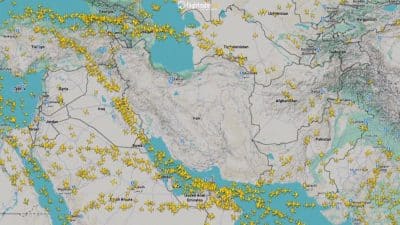
An attack on a bulk carrier vessel near Iran has escalated regional tensions in the Middle East, raising concerns about maritime security disruptions. The incident threatens to destabilize shipping routes and create broader geopolitical uncertainty that could impact global trade and economic systems.
Maritime security incidents in the Persian Gulf and surrounding waters carry outsized importance for global economic stability. The attack on the bulk carrier represents an escalation in a region already marked by heightened tensions, involving multiple state and non-state actors competing for regional influence. Such incidents typically trigger immediate concerns about freedom of navigation, insurance costs, and shipping route safety—factors that directly influence commodity prices, trade flows, and investment sentiment across markets.
The Middle East remains a critical chokepoint for global energy and goods transportation. Historical patterns show that regional military escalation and attacks on commercial vessels have preceded broader market volatility, affecting everything from oil prices to currency valuations. The incident follows a pattern of increasing maritime incidents in the region, suggesting a deteriorating security environment rather than an isolated event.
For cryptocurrency and financial markets, geopolitical crises typically drive flight-to-safety behavior, increasing demand for hedging instruments and alternative stores of value. However, the immediate impact depends on whether the incident triggers broader military escalation or sanctions. Market participants closely monitor such events for signals about potential supply chain disruptions, inflation pressures, and central bank policy responses.
Investors should monitor developments regarding potential sanctions, shipping insurance premium increases, and any statements from major trading nations about maritime security responses. The situation bears watching as a potential catalyst for macro volatility rather than a direct catalyst for immediate market moves.
- →Attack on bulk carrier near Iran escalates regional tensions and threatens maritime security in a critical global shipping corridor.
- →Geopolitical escalation in the Middle East historically correlates with increased volatility across commodity, currency, and crypto markets.
- →Maritime incidents elevate insurance costs and shipping expenses, potentially triggering broader inflation concerns affecting monetary policy.
- →Flight-to-safety behavior during geopolitical crises typically benefits defensive assets and alternative stores of value.
- →Monitoring potential sanctions and military responses is critical for assessing downstream economic and market impacts.