
Iran cancels US talks after Israel-Hezbollah clashes escalate
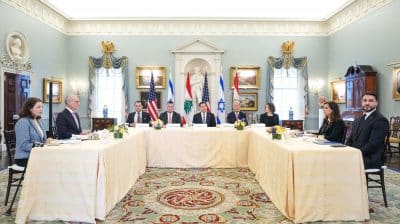
Iran has cancelled planned talks with the United States following escalated military clashes between Israel and Hezbollah in the Middle East. The diplomatic breakdown signals deteriorating regional stability and reduces prospects for near-term peace negotiations, with potential implications for global markets and risk sentiment.
The cancellation of Iran-US diplomatic talks represents a significant escalation in Middle Eastern geopolitical tensions. When direct communication channels between major regional and global powers shut down, the risk of miscalculation and unintended conflict increases substantially. This development matters because diplomatic engagement typically serves as a stabilizing mechanism during periods of military tension. The breakdown occurs against a backdrop of longstanding hostilities between Israel and Hezbollah, with Iran's decision to withdraw from talks suggesting Tehran views the situation as sufficiently grave to warrant a diplomatic response.
Historically, Israel-Hezbollah confrontations have periodically destabilized the region, but formal US-Iran dialogue channels represent recent diplomatic progress. The cancellation reverses this trend and reflects Iran's assessment that continued engagement would signal weakness amid military pressure. This escalation follows a pattern where regional proxies engage in direct conflict, prompting major powers to reassess diplomatic positioning.
From a markets perspective, geopolitical crises typically trigger flight-to-safety behavior in financial assets. Risk assets, including cryptocurrencies, often experience volatility during periods of heightened geopolitical uncertainty, particularly when energy security concerns emerge. Middle Eastern instability historically correlates with oil price volatility, which indirectly affects broader macroeconomic conditions and investor sentiment toward risk assets. Additionally, potential sanctions escalation or military escalation could create market dislocations across commodities and equities.
Investors should monitor three key developments: whether direct military confrontation expands beyond current Israeli-Hezbollah engagements, whether additional US-Iran diplomatic channels remain open, and whether oil markets price in elevated regional risk premiums. Escalation could trigger broader portfolio repositioning across traditional and digital asset classes.
- →Iran withdrew from US talks in response to escalating Israel-Hezbollah military clashes, signaling deteriorated diplomatic prospects.
- →The breakdown of direct communication channels between major powers increases risks of unintended military escalation.
- →Middle Eastern instability typically triggers risk-off sentiment, affecting oil prices and broader financial markets including cryptocurrencies.
- →Geopolitical crises often drive investors toward traditional safe-haven assets, potentially creating short-term headwinds for risk assets.
- →Ongoing monitoring of military escalation and sanctions announcements is essential for assessing macroeconomic and crypto market implications.