
Several Americans hurt in missile attack on Kuwaiti air base as Iran ceasefire talks collapse
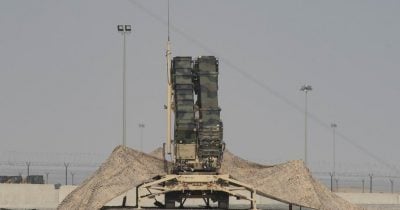
A missile attack on a Kuwaiti air base has injured several Americans, occurring as Iran-related ceasefire negotiations have collapsed. The incident underscores escalating Middle Eastern geopolitical tensions that historically correlate with increased cryptocurrency market volatility.
The attack on the Kuwaiti air base represents a significant escalation in regional military tensions, particularly as diplomatic channels between Iran and other parties have broken down. This development signals a shift from negotiation-based conflict resolution to direct military engagement, creating immediate uncertainty in the Middle East. Historically, such geopolitical flashpoints trigger sharp market reactions as investors reassess risk premiums across multiple asset classes.
The broader context involves years of escalating tensions between Iran and Western powers, with military incidents, economic sanctions, and failed diplomatic efforts creating a volatile backdrop. The collapse of ceasefire talks removes a stabilizing narrative that markets had been pricing in, forcing reassessment of regional stability assumptions. This pattern of military escalation typically precedes periods of heightened macroeconomic uncertainty.
For cryptocurrency markets, geopolitical crises function as volatility catalysts that can drive both risk-on and risk-off trading behavior. Safe-haven assets like Bitcoin historically experience increased demand during geopolitical uncertainty, though initial reactions often favor traditional safe havens like US Treasury bonds and gold. However, sustained regional instability can drive longer-term institutional interest in non-correlated assets, including cryptocurrencies positioned as uncorrelated stores of value.
Investors should monitor several indicators moving forward: escalation patterns in military incidents, secondary effects on oil prices and global supply chains, and shifts in central bank policy responses. Market participants should track how traditional markets price in geopolitical risk, as crypto correlations with macro assets frequently adjust during crisis periods. The lack of established diplomatic channels increases unpredictability, making risk management protocols essential for crypto portfolio holders.
- →Missile attack on Kuwaiti air base injures Americans amid collapsed Iran ceasefire negotiations.
- →Geopolitical instability historically triggers cryptocurrency market volatility and safe-haven asset demand.
- →Breakdown of diplomatic channels removes stabilizing narratives previously reflected in asset pricing.
- →Bitcoin and non-correlated assets may see increased institutional demand during prolonged regional uncertainty.
- →Investors should monitor oil market reactions and central bank policy responses for secondary market impacts.