
Iran hints at preliminary ceasefire deal, potential extension in coming days
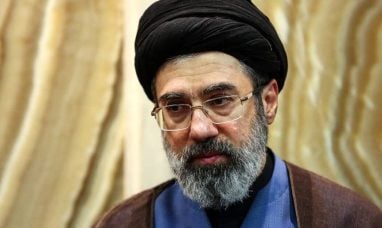
Iran signals preliminary ceasefire agreement with potential extension negotiations in the coming days. The development could reduce regional geopolitical tensions, which historically influence commodity prices, energy markets, and broader risk sentiment affecting cryptocurrency and global asset valuations.
A ceasefire agreement between Iran and regional adversaries represents a significant shift in Middle Eastern geopolitics that extends beyond traditional diplomacy into global financial markets. The preliminary deal signals de-escalation after periods of heightened tensions that typically trigger safe-haven asset flows and increased market volatility. Cryptocurrency markets have shown sensitivity to geopolitical crises, with investors rotating between risk-on and risk-off positioning based on conflict escalation or de-escalation patterns.
Historically, Middle Eastern tensions drive energy price spikes, inflation concerns, and central bank policy responses that ripple through crypto markets. The Iran nuclear program negotiations and sanctions regimes have previously impacted oil markets significantly, influencing macroeconomic conditions that underpin asset valuations. A ceasefire extension would reduce geopolitical risk premiums currently embedded in commodity and equity markets, potentially stabilizing the macro environment where cryptocurrencies trade.
For investors, reduced geopolitical risk typically diminishes demand for volatility hedges and flight-to-safety assets. This could shift capital allocation patterns across risk assets, including cryptocurrencies. The stabilization of regional tensions removes a key source of macro uncertainty that has created unpredictable trading conditions. Bitcoin and other major cryptocurrencies may experience steadier price action if geopolitical tail risks diminish, though the broader macroeconomic environment remains the dominant price driver.
Investors should monitor whether ceasefire talks progress toward permanent agreements and how energy market dynamics respond. Sustained de-escalation could favor risk-on positioning and growth assets, while negotiation failures would reverse sentiment quickly.
- →Iran's ceasefire signals potential de-escalation reducing geopolitical risk premiums across global markets
- →Middle East tensions historically create volatility in energy, commodities, and cryptocurrency markets
- →Reduced regional conflict typically diminishes safe-haven demand for defensive assets
- →Market stability depends on whether preliminary agreements extend to permanent diplomatic resolutions
- →Macro environment shifts from geopolitical risk focus to traditional economic fundamentals