
Iran warns US ceasefire may end if Lebanon attacks continue
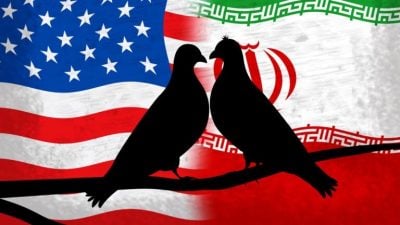
Iran has warned the United States that an ongoing ceasefire agreement could collapse if attacks on Lebanon persist, escalating regional tensions. The warning signals deteriorating diplomatic relations and threatens fragile peace efforts in the Middle East, with potential ripple effects across global markets.
Iran's ceasefire warning represents a critical juncture in Middle Eastern geopolitics, where escalating military tensions threaten to undermine fragile diplomatic progress. The threat to withdraw from ceasefire agreements if Lebanon continues facing attacks demonstrates how quickly regional stability can erode when multiple parties hold conflicting security interests. This dynamic reflects a broader pattern of tension between Iran-aligned forces and US-backed regional actors, where each side views military actions by the other as justification for escalation.
The geopolitical backdrop involves longstanding rivalries in the Levant, where Lebanon has become a proxy battleground. Iran's conditional warning—essentially linking ceasefire continuity to cessation of attacks on Lebanon—attempts to establish leverage while ostensibly positioning Iran as a peace advocate. However, such warnings traditionally precede escalation rather than resolution, as they establish red lines that become difficult to retreat from without losing credibility.
For cryptocurrency and traditional markets, geopolitical crises of this magnitude typically trigger risk-off sentiment, strengthening safe-haven assets like gold, the US dollar, and potentially Bitcoin as a non-correlated alternative. Energy markets face particular pressure given Iran's role as a major oil producer; any military escalation could disrupt global oil supplies, driving inflation concerns that ripple through crypto valuations.
Investors should monitor whether this warning translates into concrete military action or represents negotiating posture. Key indicators include statements from regional actors, US military positioning updates, and oil price movements, all of which historically precede cryptocurrency volatility during geopolitical crises.
- →Iran conditional ceasefire warning signals potential escalation in Middle Eastern military tensions
- →Regional instability typically triggers risk-off market sentiment and safe-haven asset demand
- →Oil supply disruption risks could emerge if military tensions escalate further
- →Cryptocurrency markets may experience volatility correlated with geopolitical uncertainty spikes
- →Diplomatic resolution prospects remain unclear given hardening of rhetorical positions